Tidlig mobilisering
− raskere rehabilitering

When a person is hospitalised and required to spend protracted periods in bed, this can have serious consequences on his/her health and well-being. Lying immobile increases the risk of blood clots forming in the lungs, and of skin complications such as pressure ulcers.

Loss of muscle mass and strength are other complications commonly associated with long-term hospitalisation, and these issues can actually affect both the length of hospitalisation and the patient’s ability to function after discharge.

For hospitalised patients, long periods of immobility increase the risk of:

  • Respiratory complications such as pneumonia, atelectasis and pulmonary embolism
  • Constipation
  • Incontinence
  • Tissue damage and pressure ulcers
  • Blood clots in the legs (deep vein thrombosis)
  • Reduced muscle mass and -strength
  • Reduced physical fitness
  • Diminished balance, especially among elderly patients

It is therefore extremely important to mobilise patients as early as possible – ideally during the period of hospitalisation.
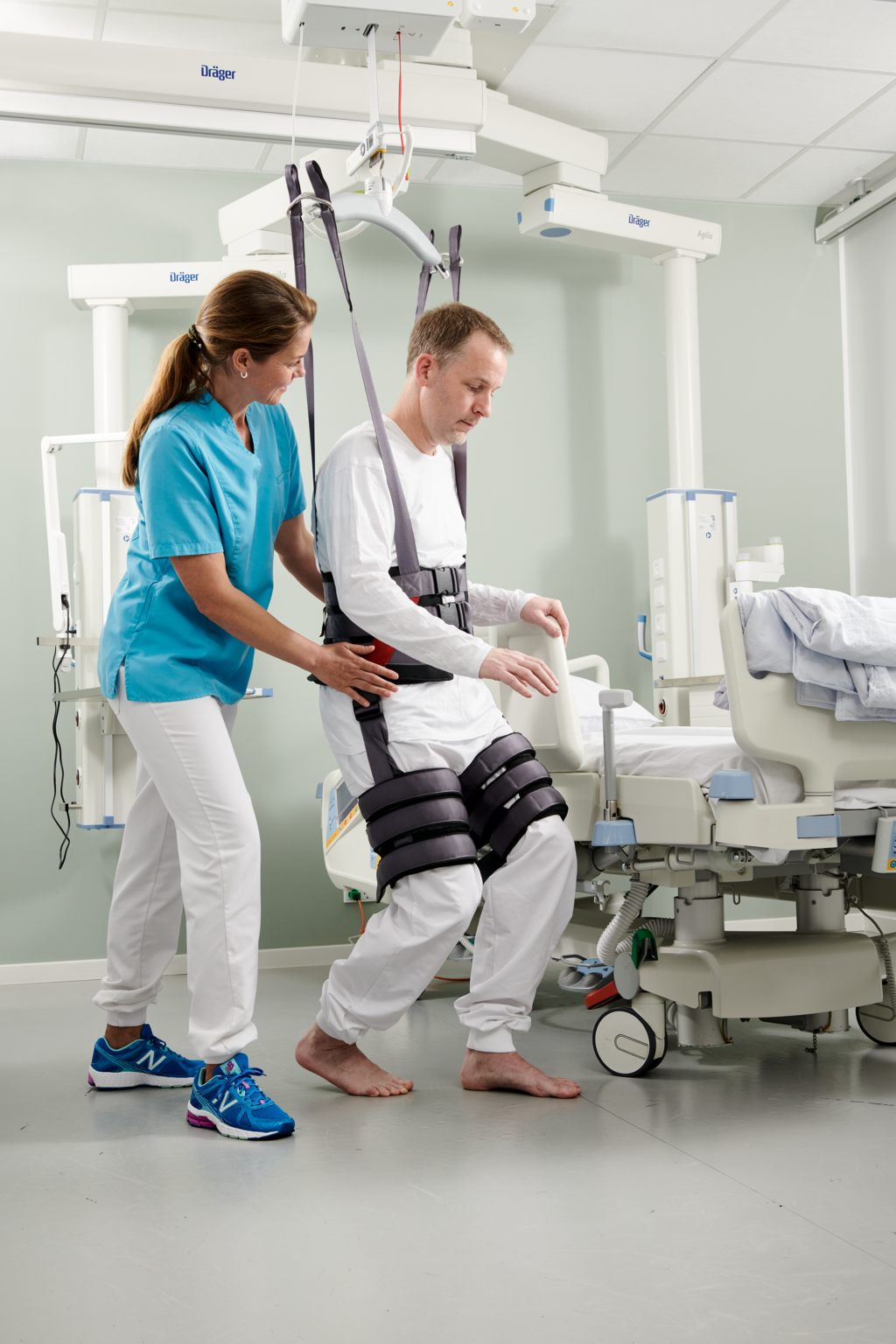
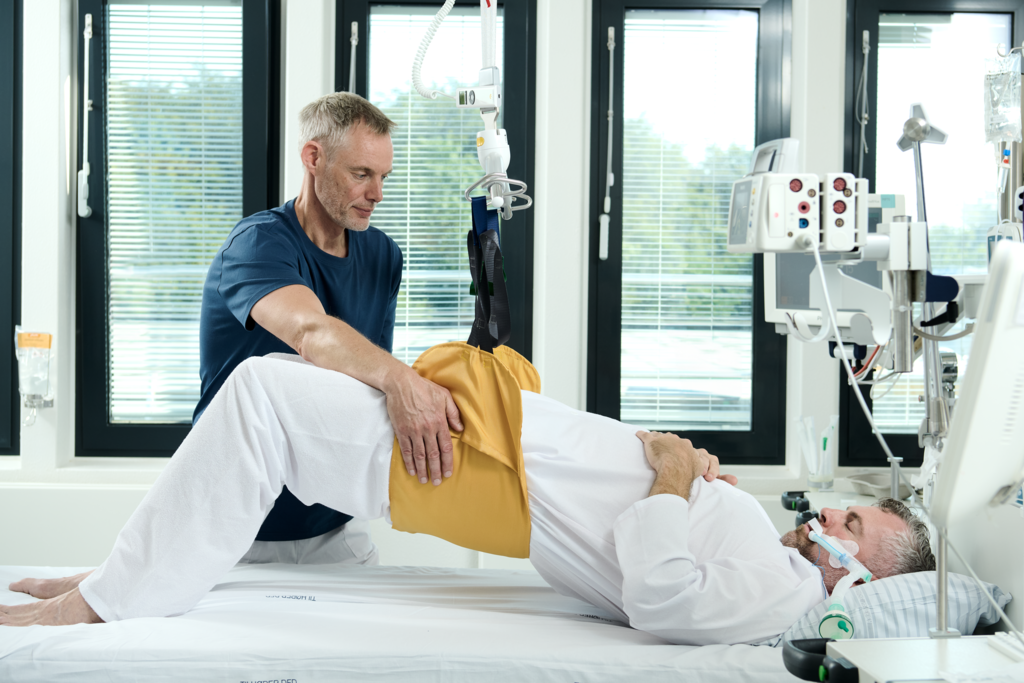
Early mobilisation will enable patients to commence rehabilitation sooner, which will improve convalescence after an operation by boosting blood circulation and reducing the risk of infection and other complications.

Early mobilisation and rehabilitation are defined as positioning/repositioning exercises and physical activity, and spending more time out of bed – walking around or simply standing up. 

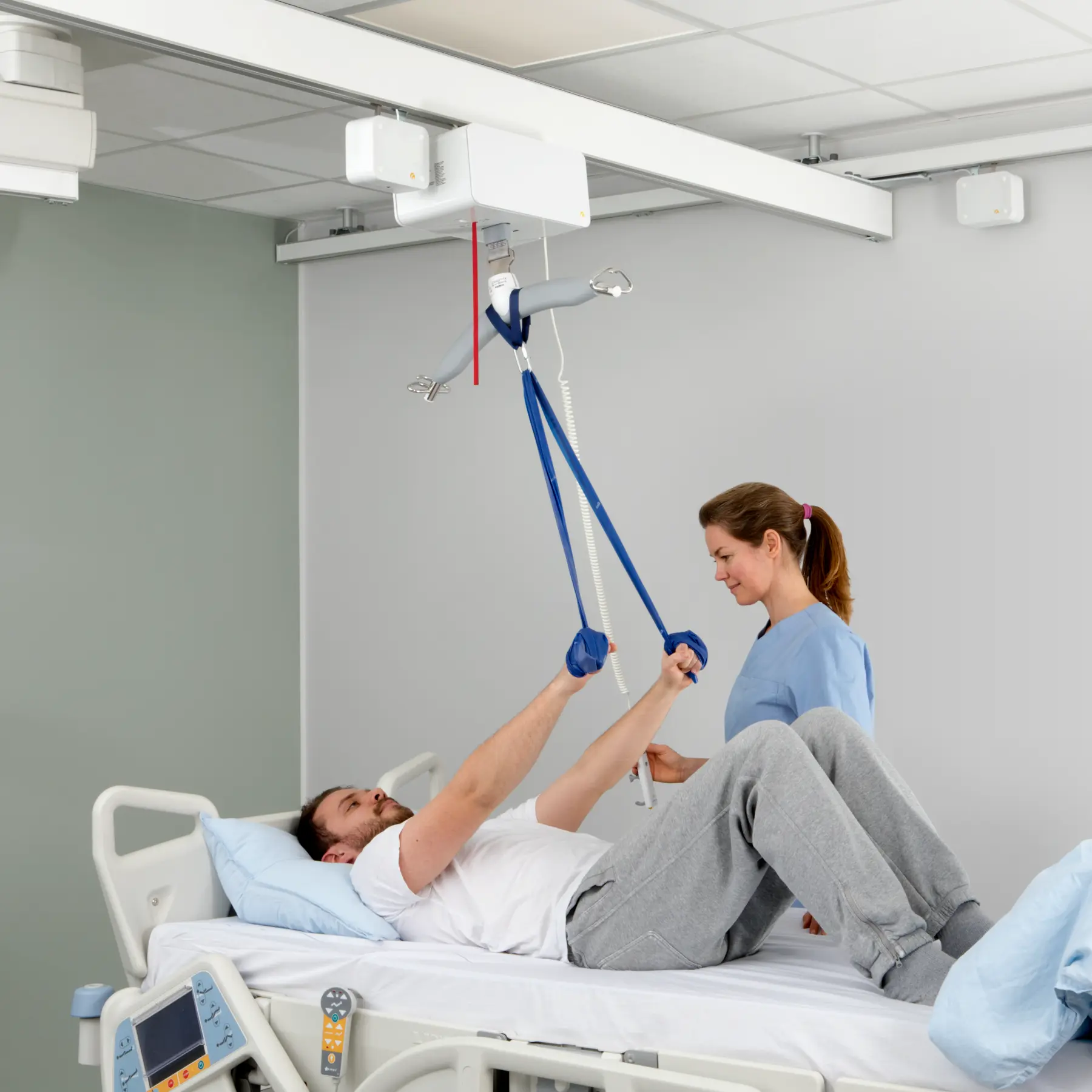
Other activities include daily routines such as combing hair, washing face and hands with a wet flannel, exercises in and/or next to the bed, balance training and walking around the bed.

Challenges linked to early mobilisation include risks such as falls, a major need for physical assistance, and risk of injury to care staff and therapists.


Time to Care


Mobiliser pasienten tidligere og sikrere

Vanlige løfte- og forflytningsoppgaver

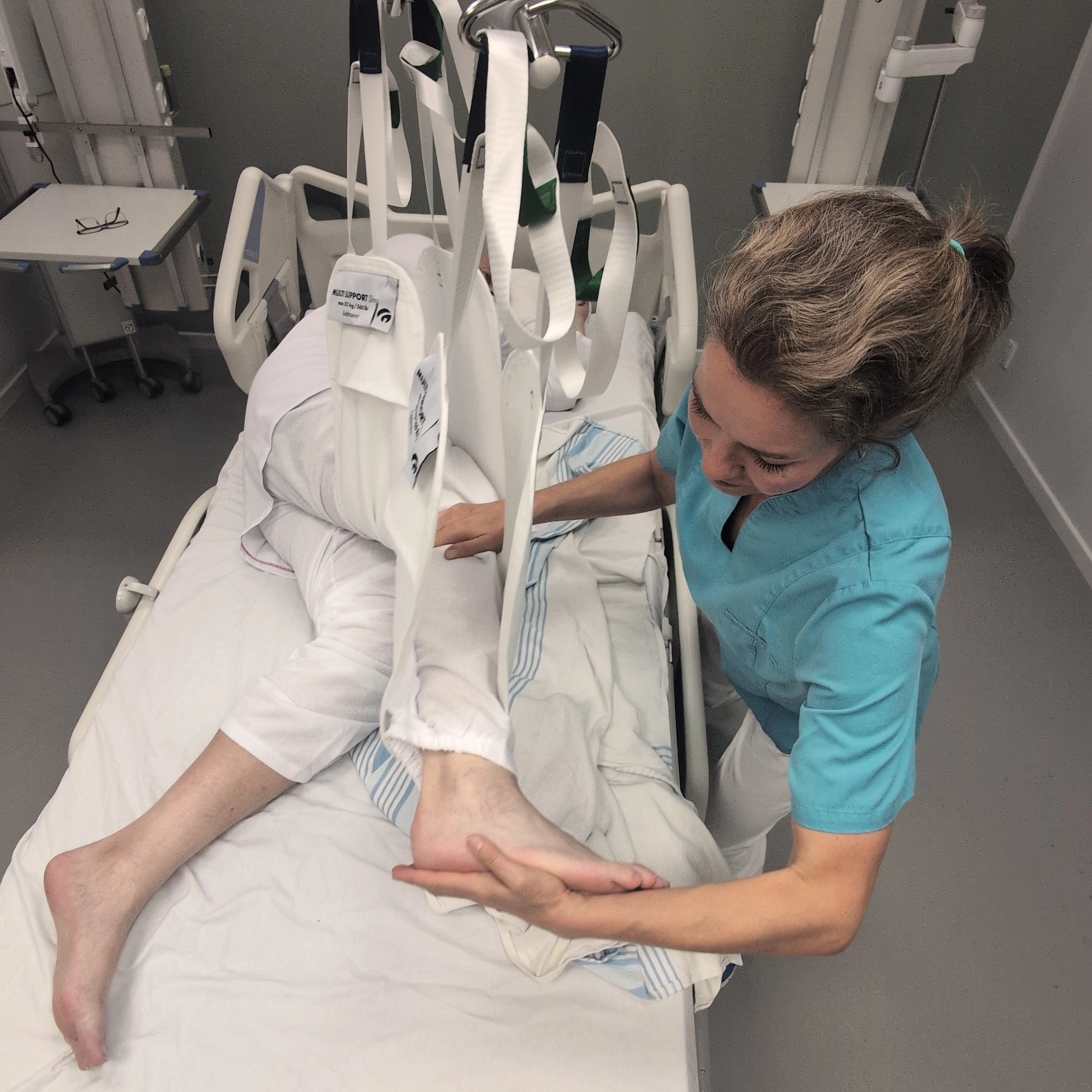
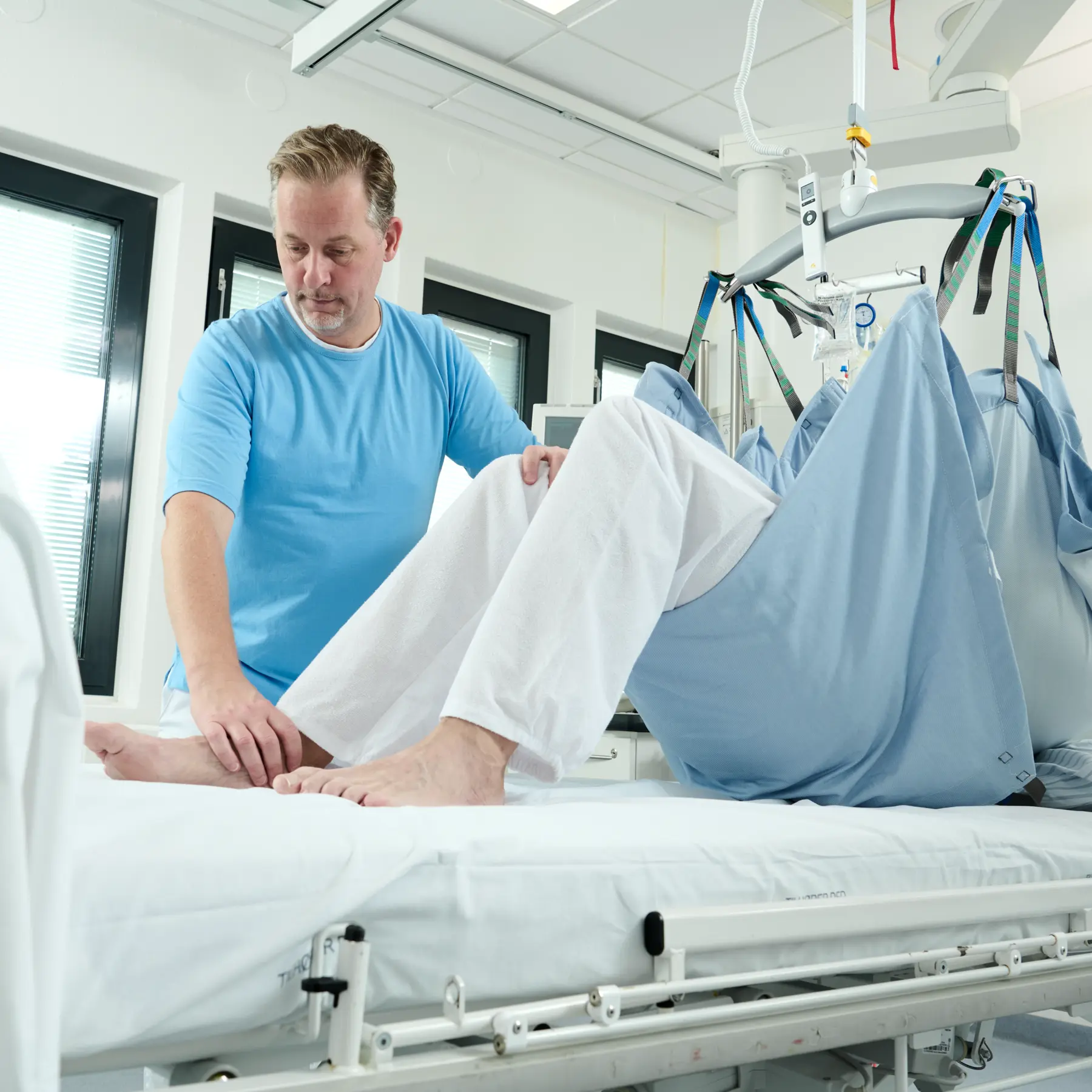
  • Hjelpe pasienter opp i sittende stilling for å teste deres reaksjon, reflekser og beskyttende respons
  • Støtte sittestillingen
  • Flytte pasienter mellom seng/stol/benk m.m.
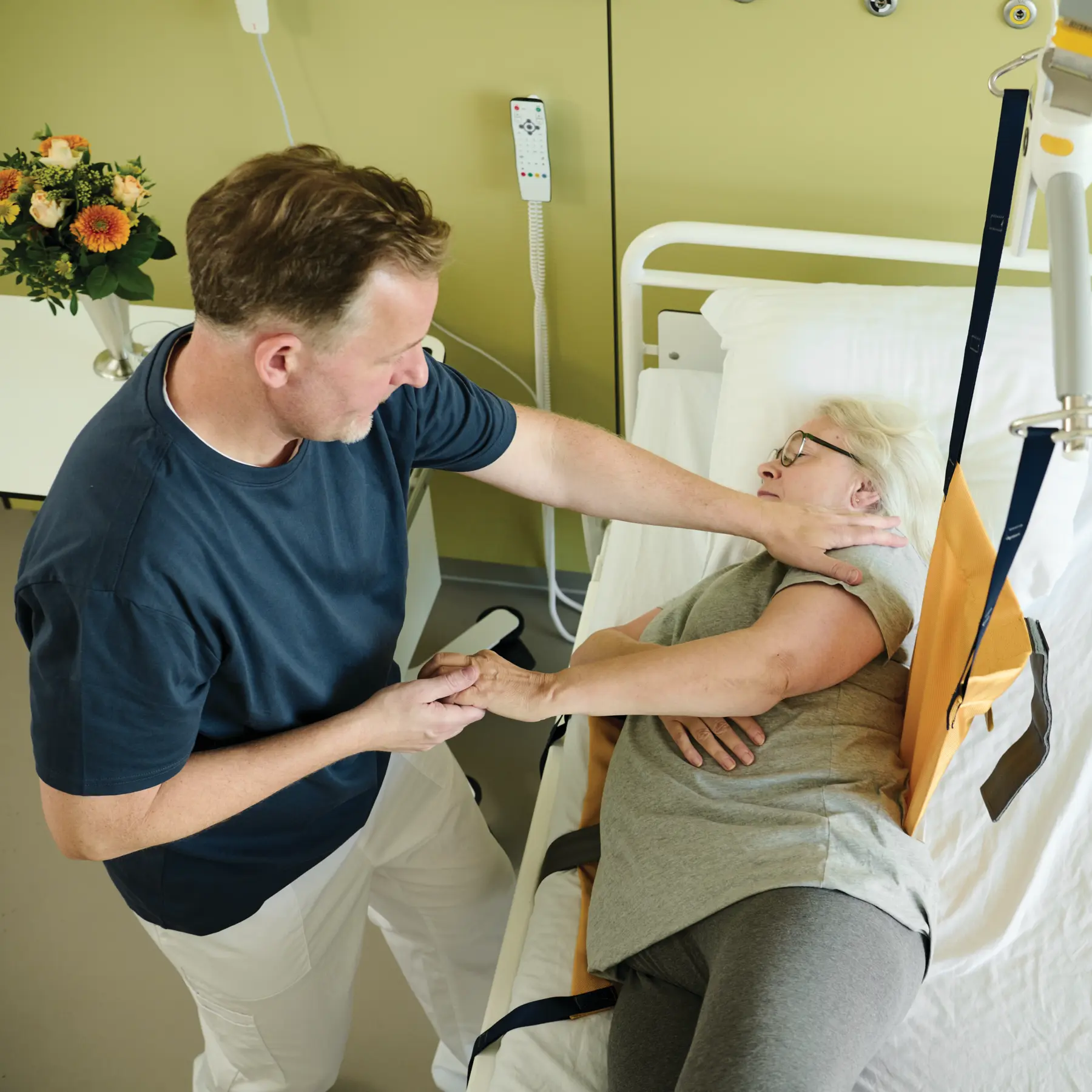
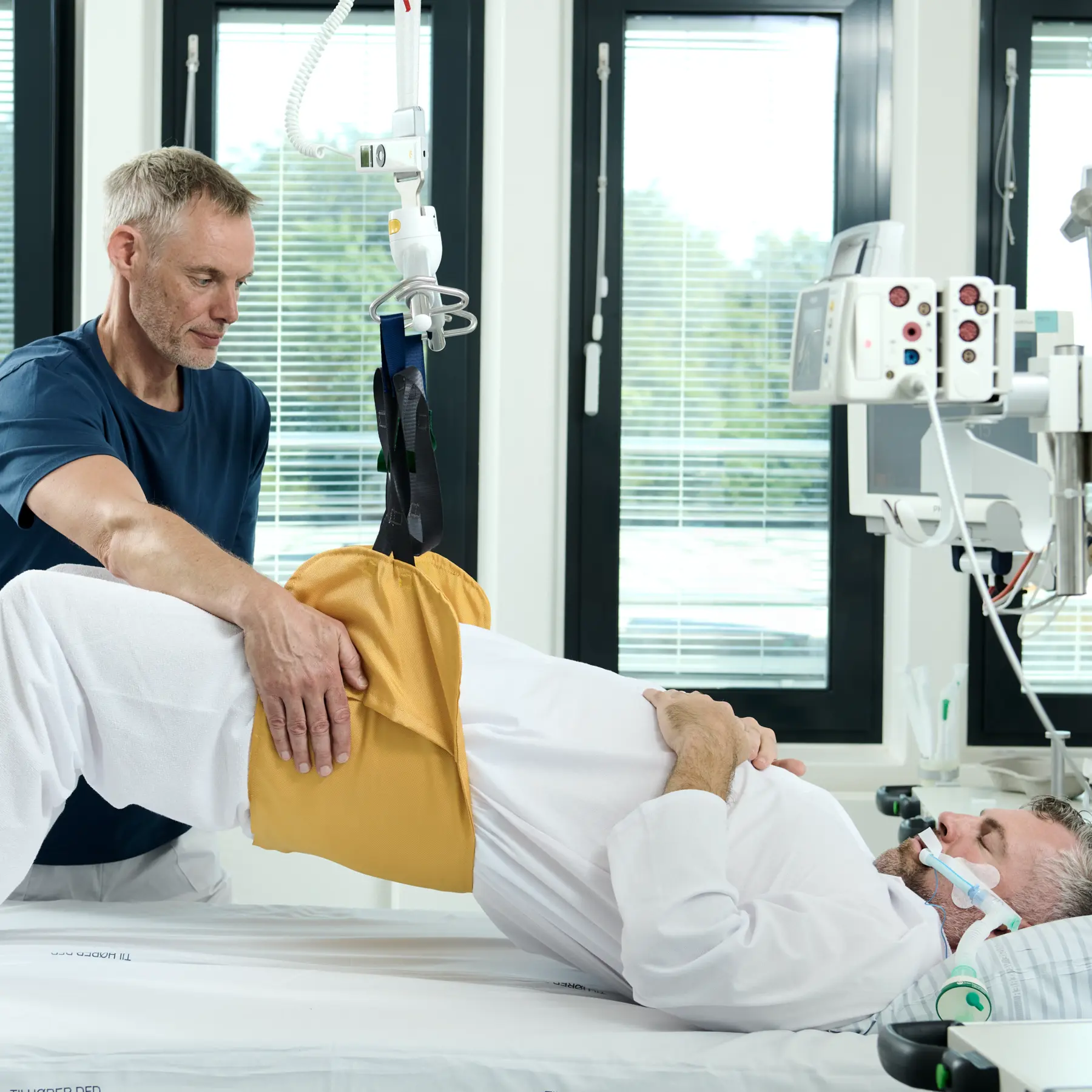
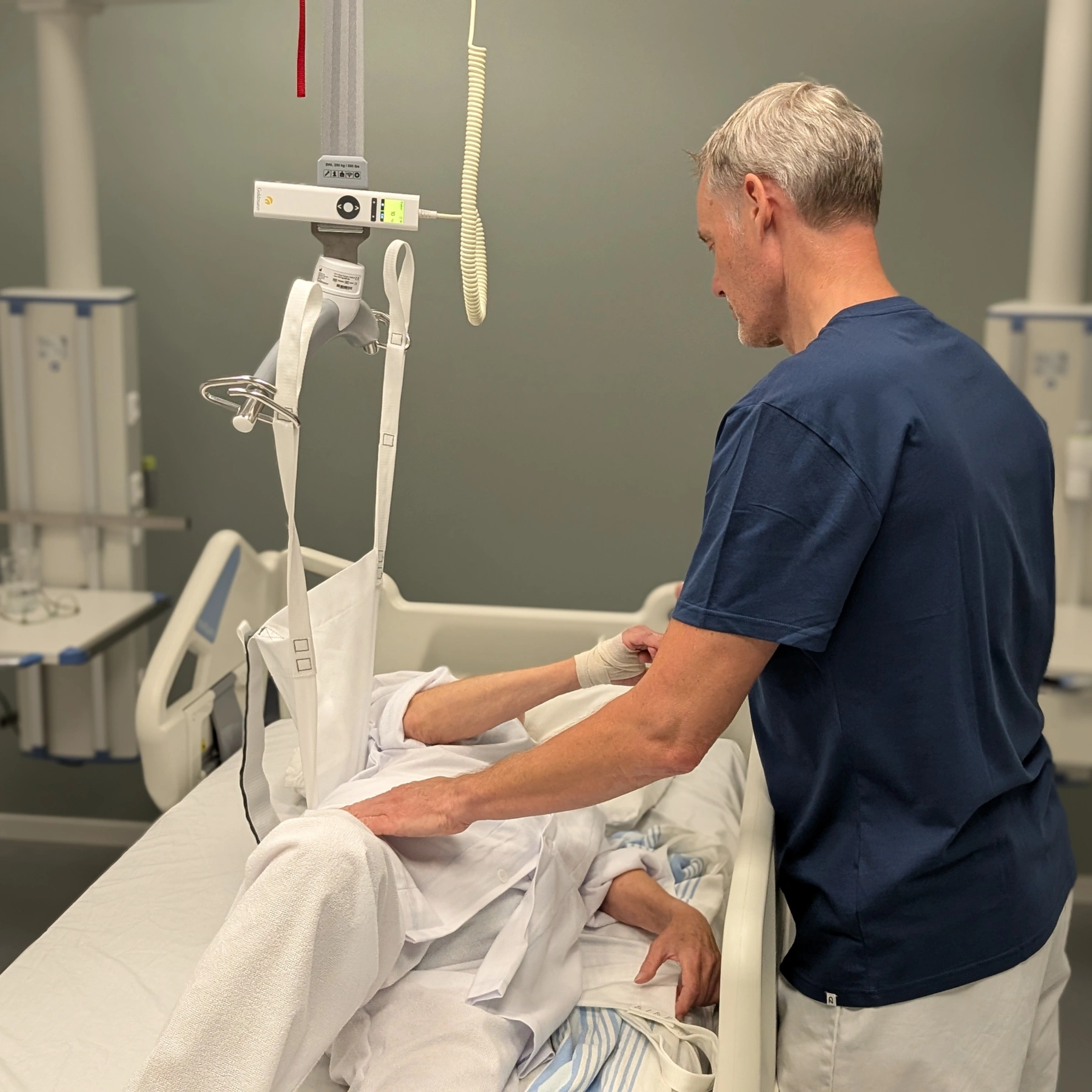
  • Løfte overkropp for posisjonering av støtter eller puter
  • Løfte hoftene ved pålegging av laken under pasienten
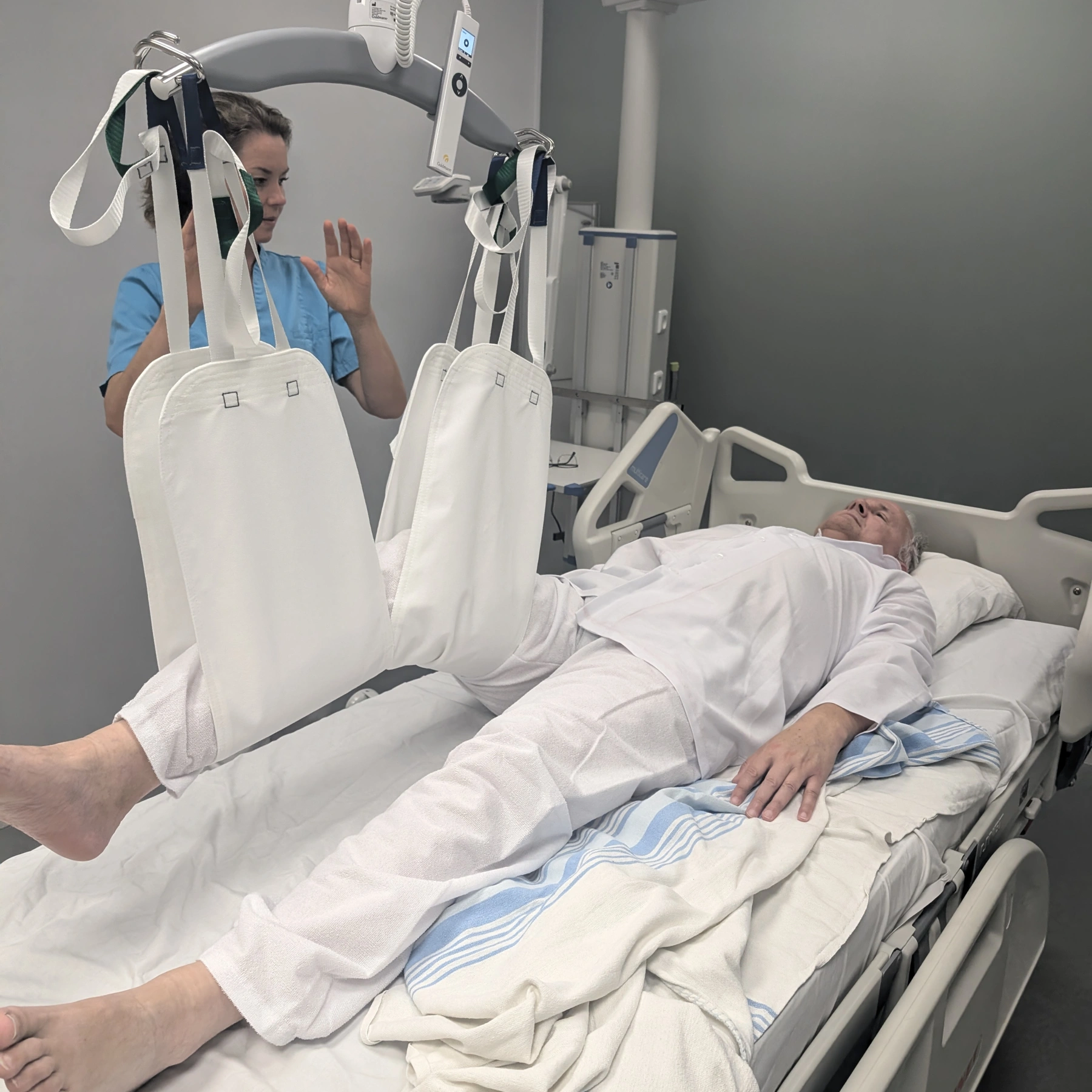
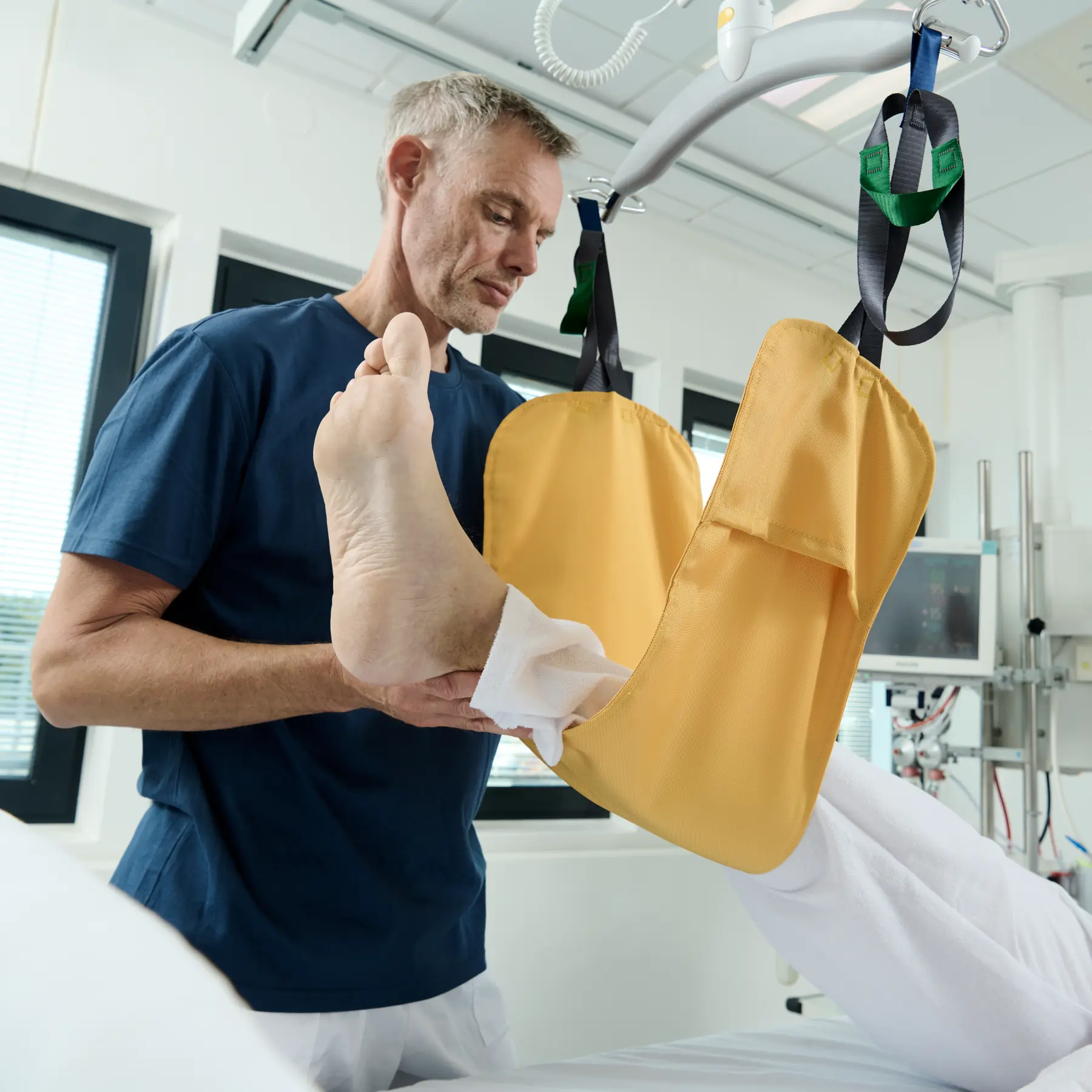
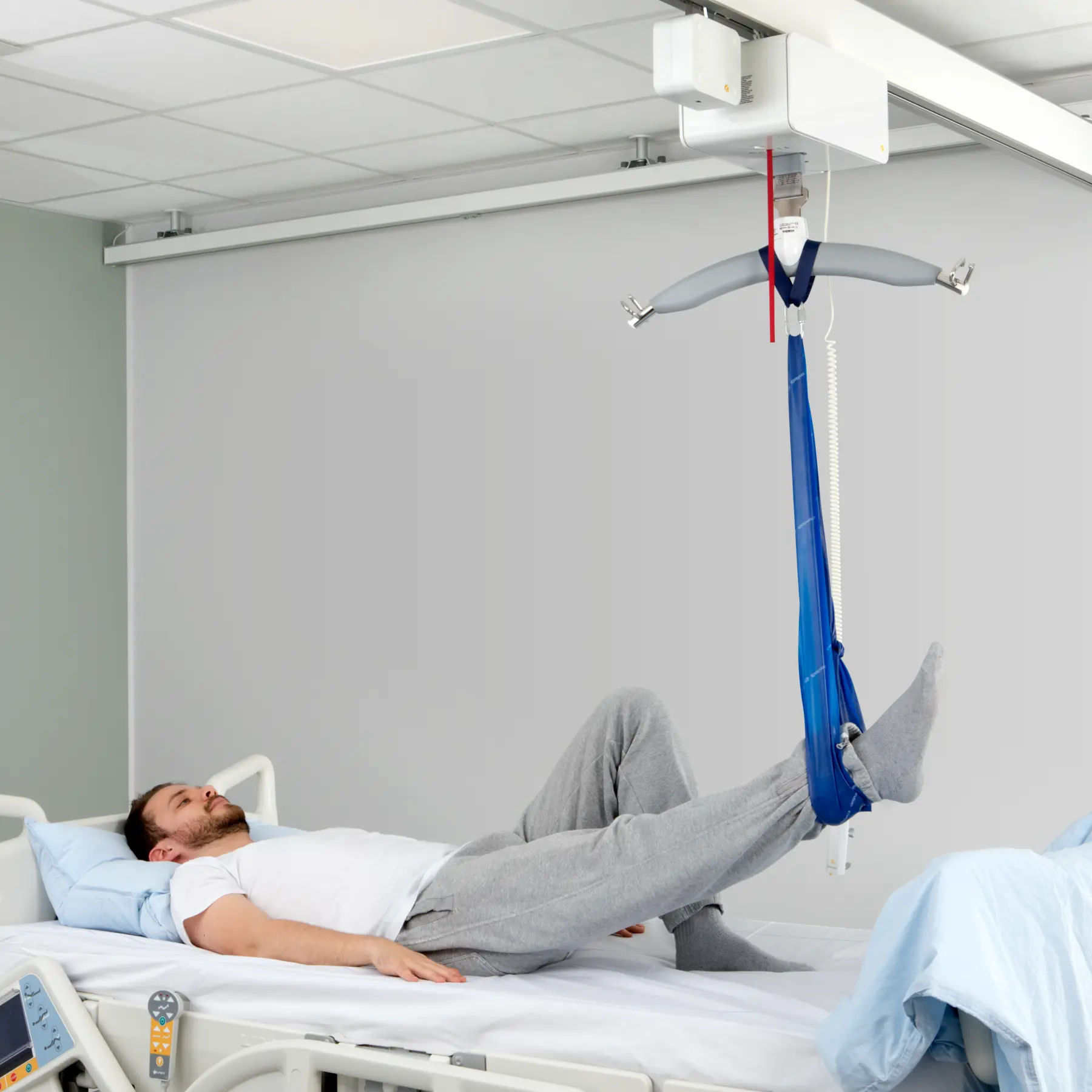
  • Løft av ekstremiteter
  • Toalettbesøk (ev. vha. toalettstol)
  • Skifte fra én stilling til en annen
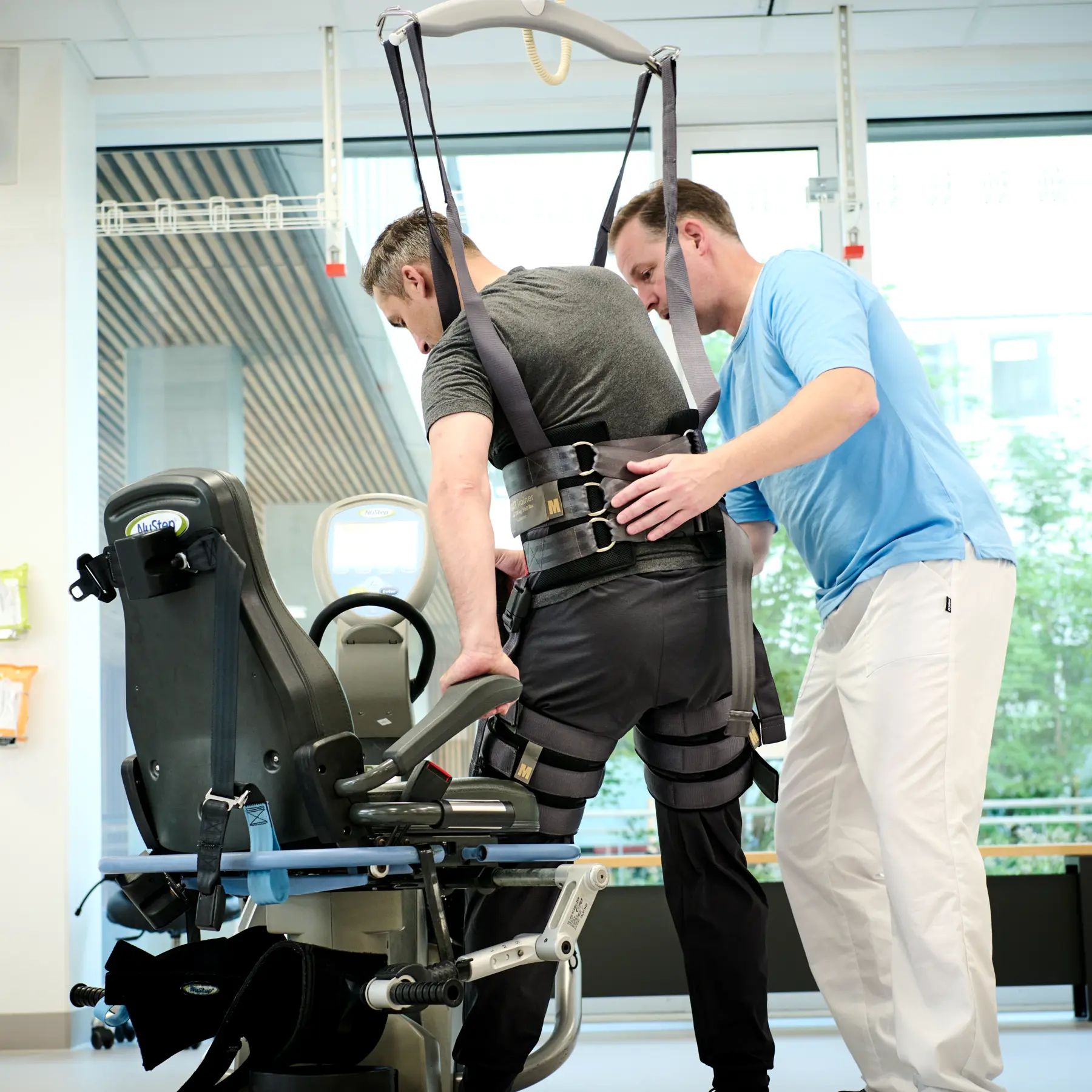
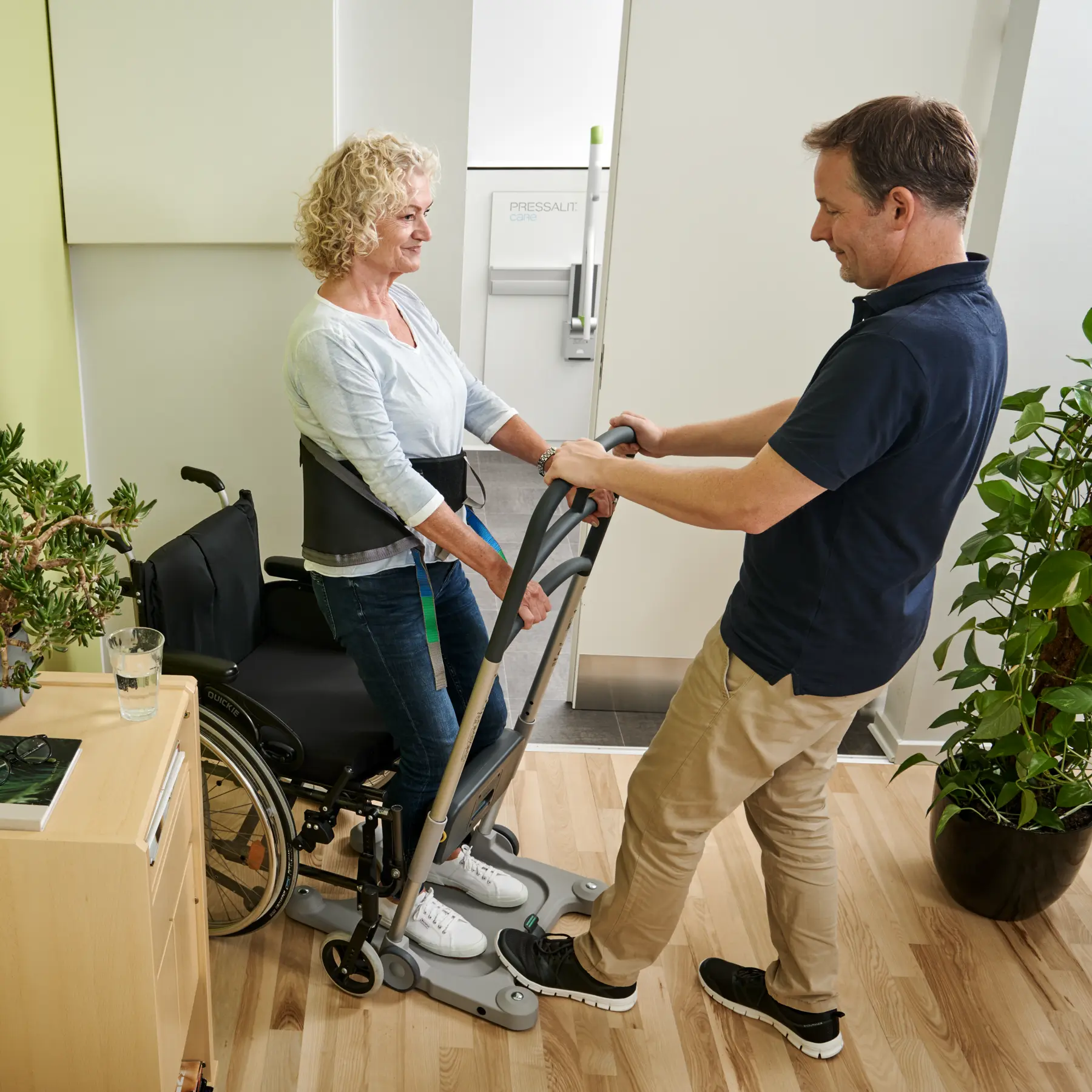
  • Flytte fra sittende til stående / stående til sittende
  • Stående balanse / sittende balanse

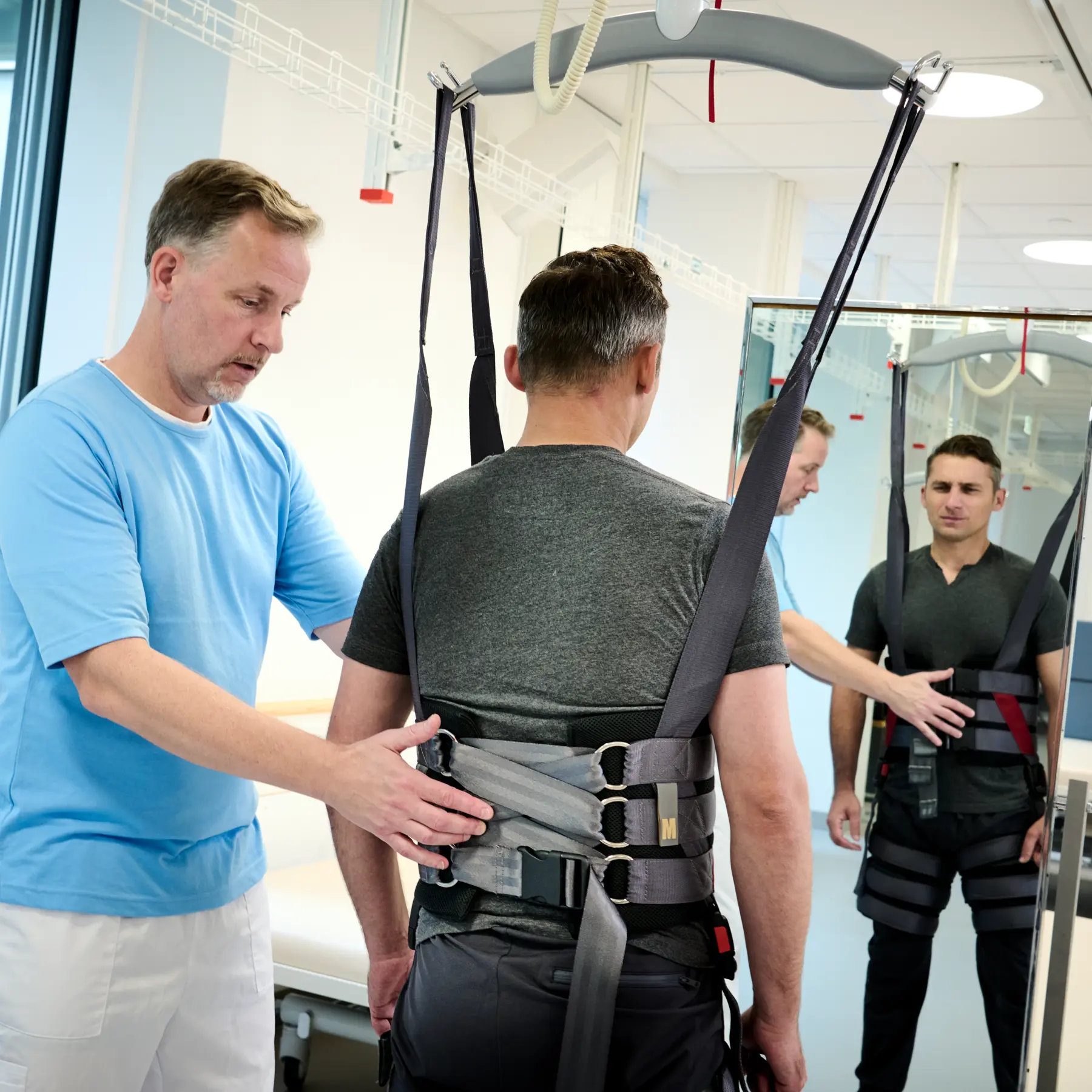
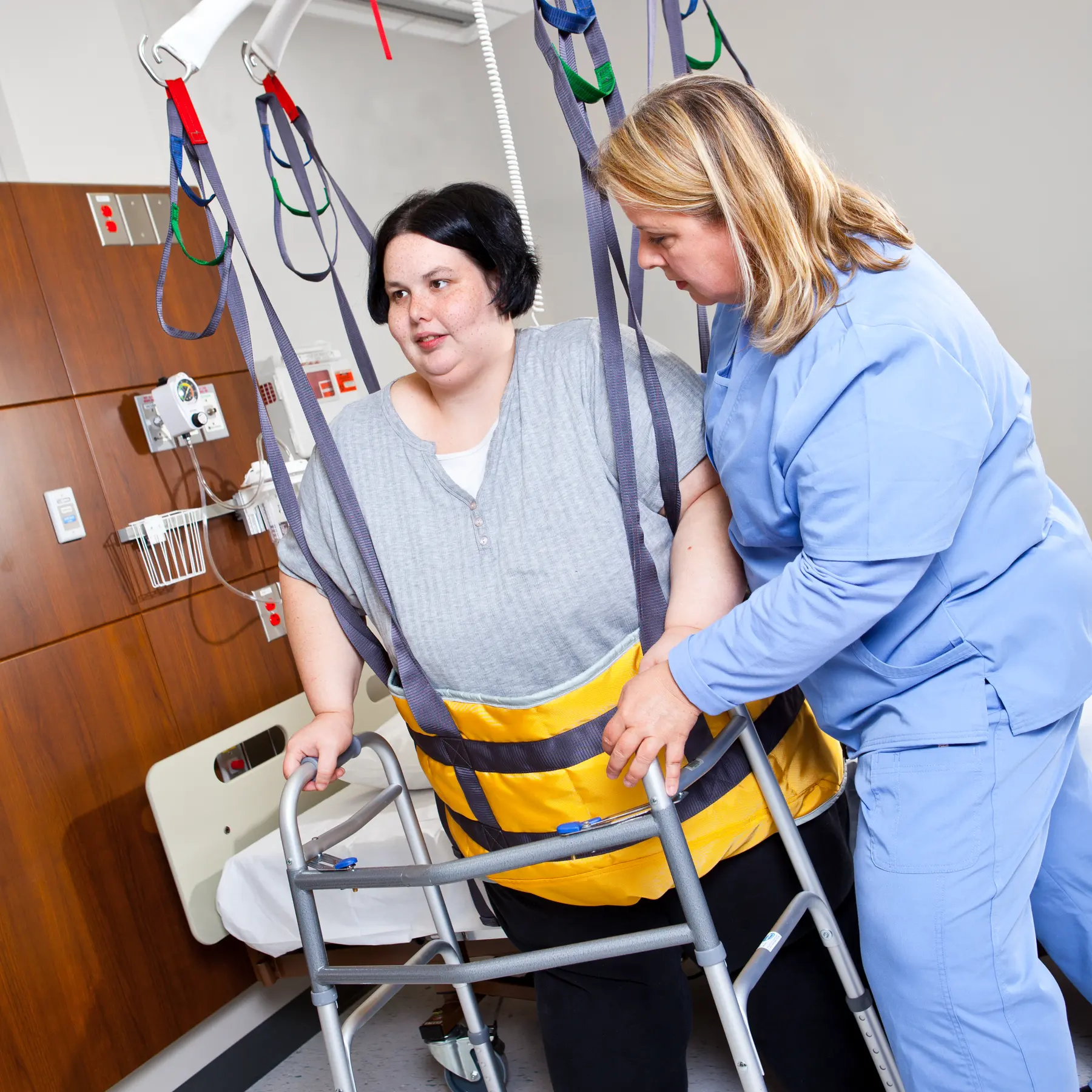
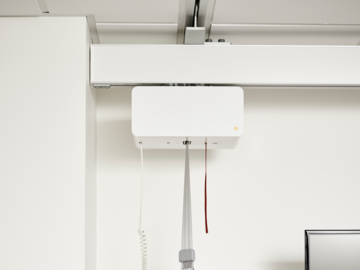
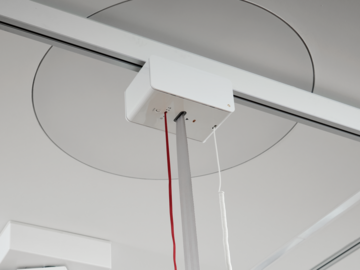
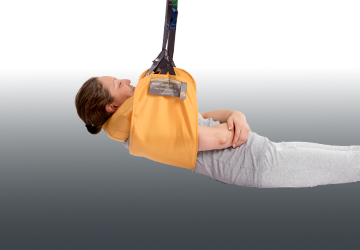
Et takheissystem med riktig seil kan fremme mobilisering og trening av pasienter som er innlagt på sykehus, på en måte som er sikker for både pasienten og personalet. Medisinske, ortopediske og tunge pasienter samt pasienter på intensivavdelinger har alle nytte av løftesystemer med takheis og seil.

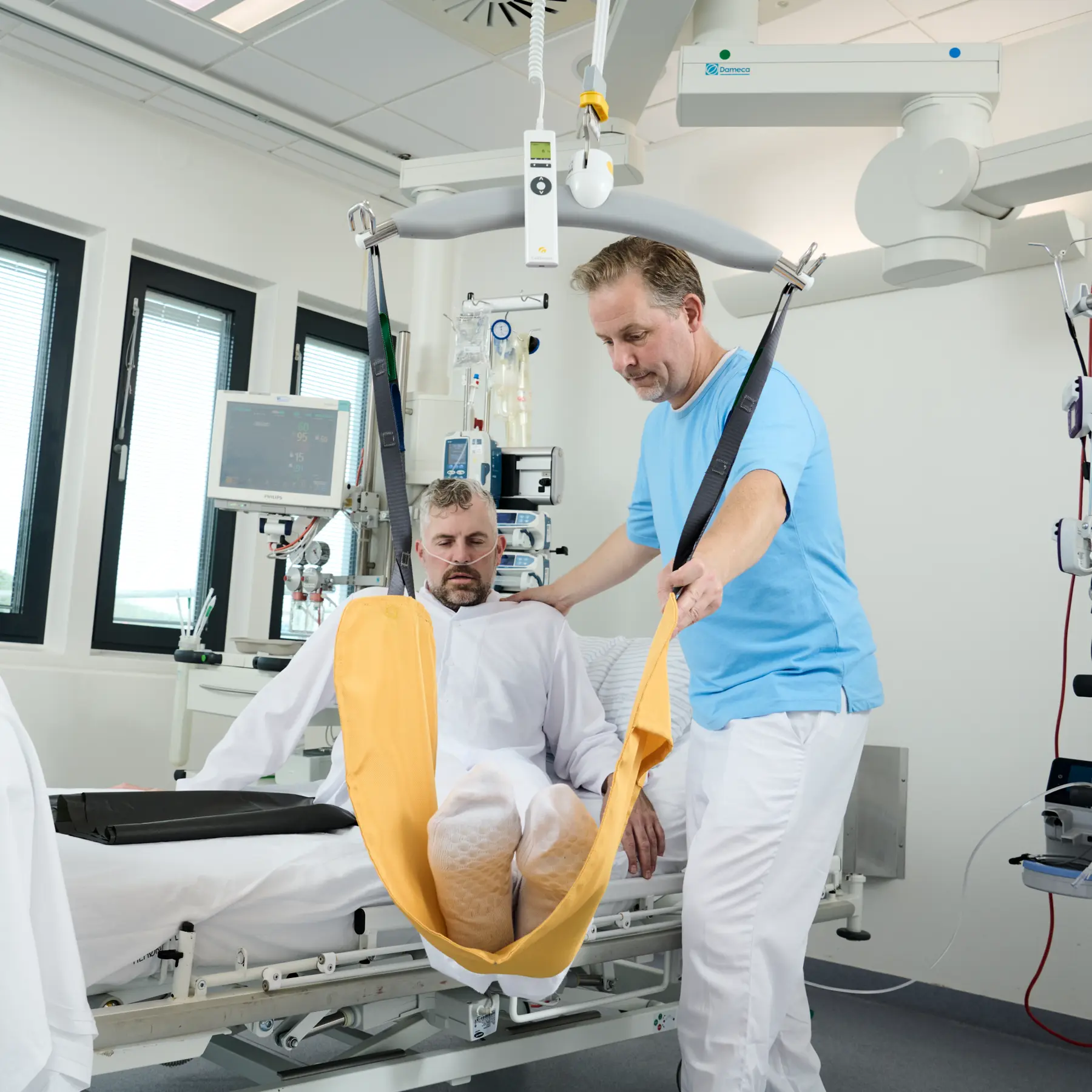
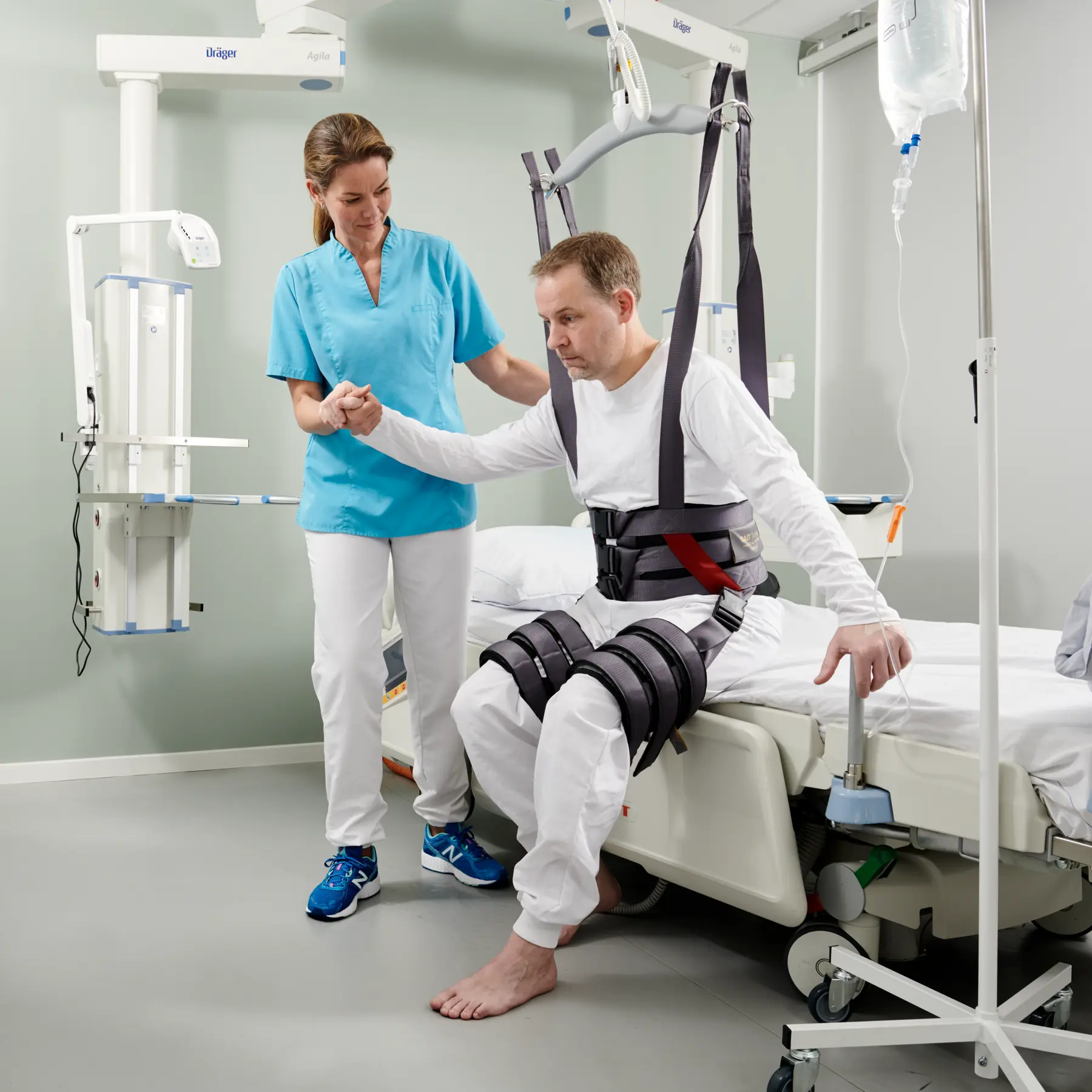
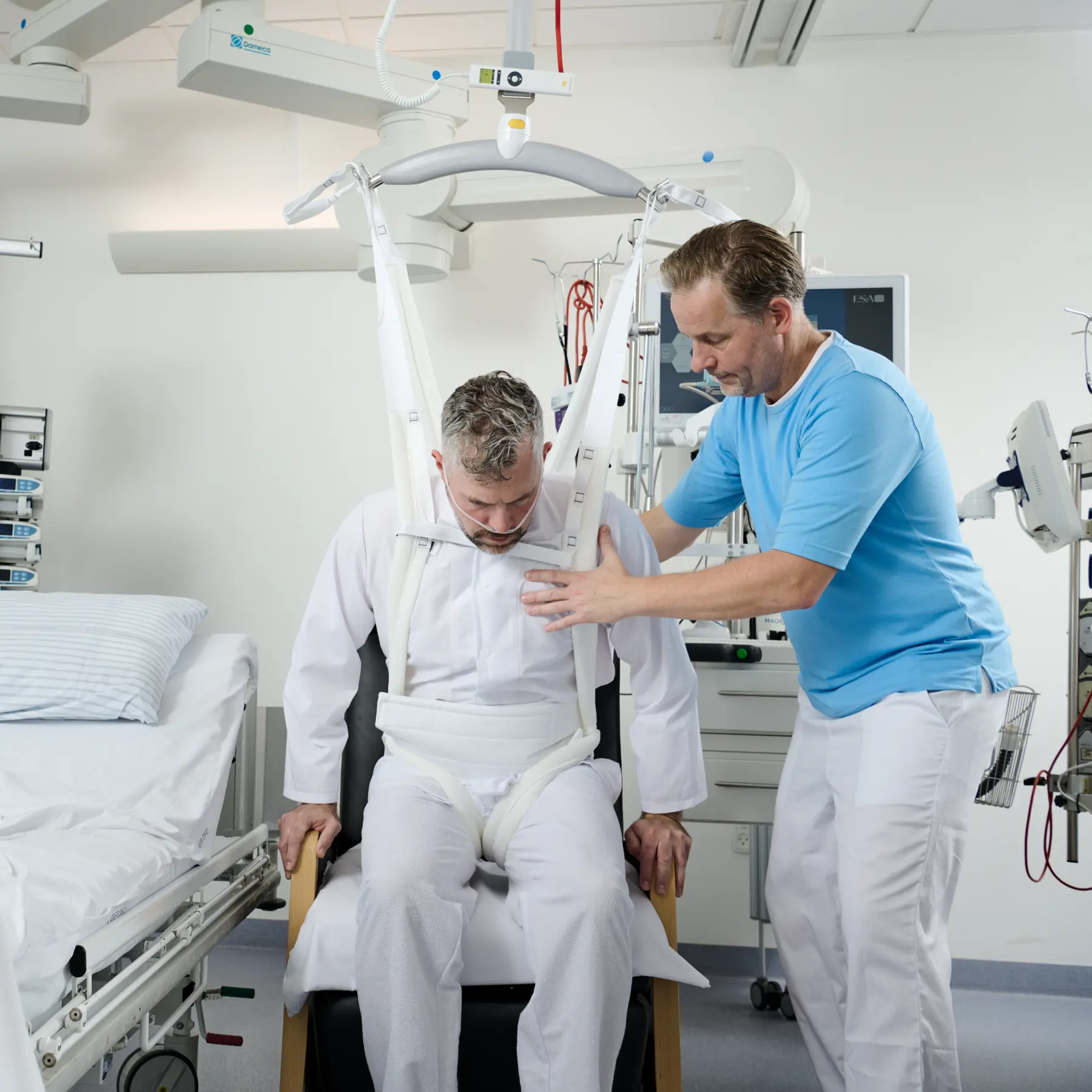
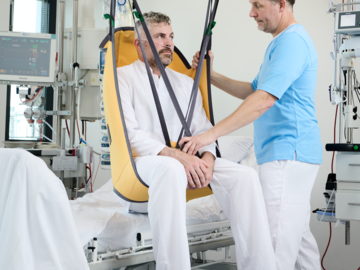
Takheisen kan blant annet brukes til å teste pasientenes balanseevne når de for eksempel sitter på sengekanten. Blir pasienten svimmel mens han eller hun sitter sikkert i seilet, kan pasienten enkelt og raskt hjelpes tilbake i sengen uten manuelle løft.

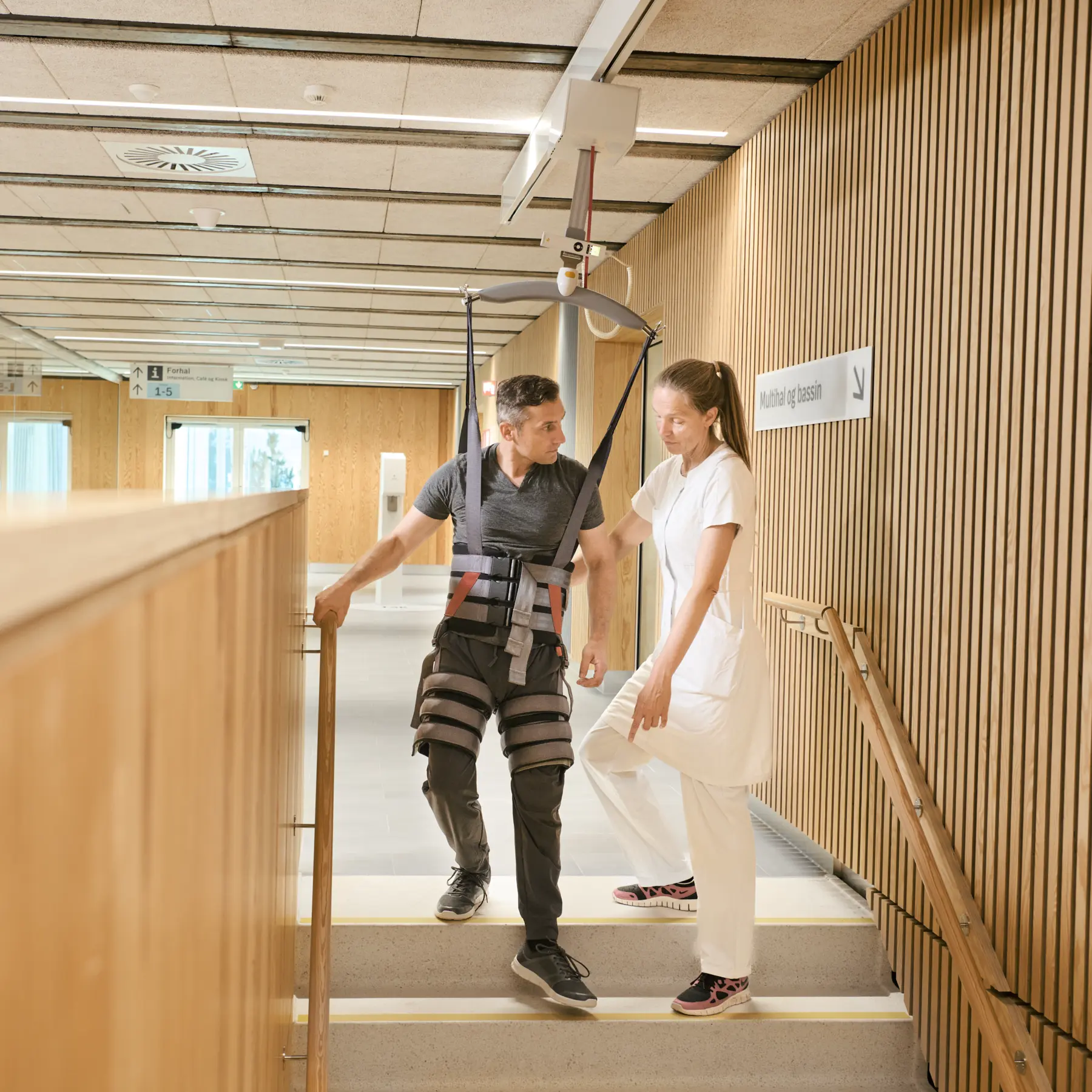
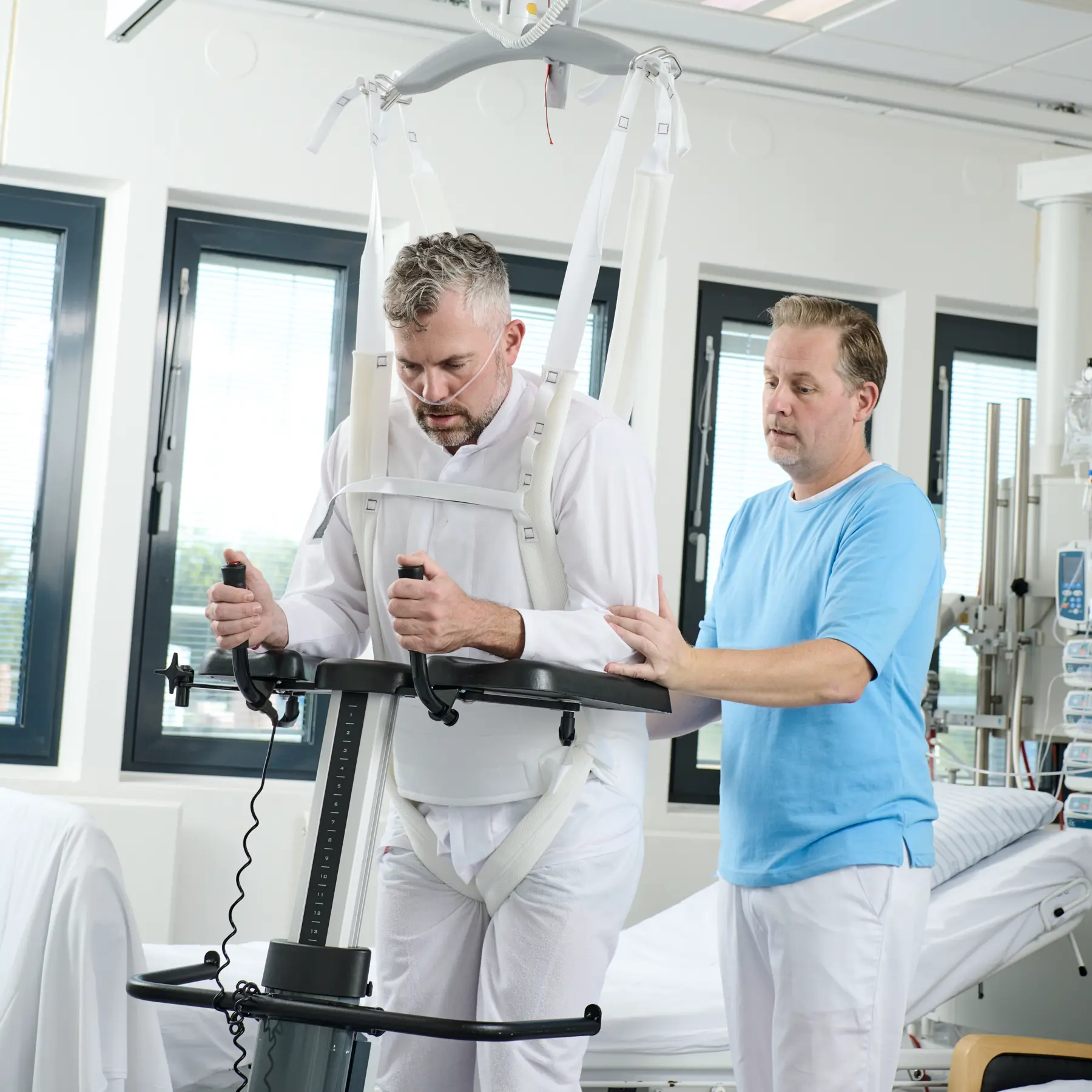
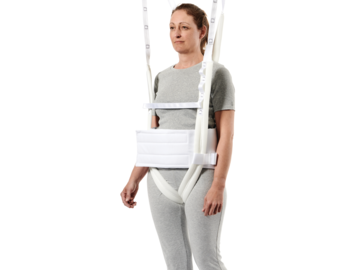
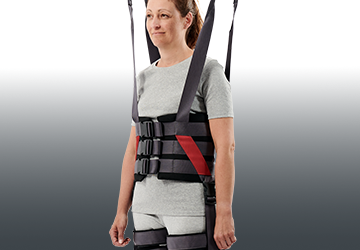
På samme måte kan intuberte og monitorerte pasienter løftes opp og settes i en hvilestol ved siden av sengen, noe som fremmer tidlig mobilisering. Med en takheis blir balanse-/gangtreningen sikrere for både pasienten og pleiepersonalet. Pasientene kan føle seg trygge og sikre i gangseilet og bevege seg rundt uten å risikere å falle.

Se våre videoer som viser hvordan Guldmann takheiser, løftekroker og løfteutstyr brukes til tidlig mobilisering.

Videoer


Guldmann G