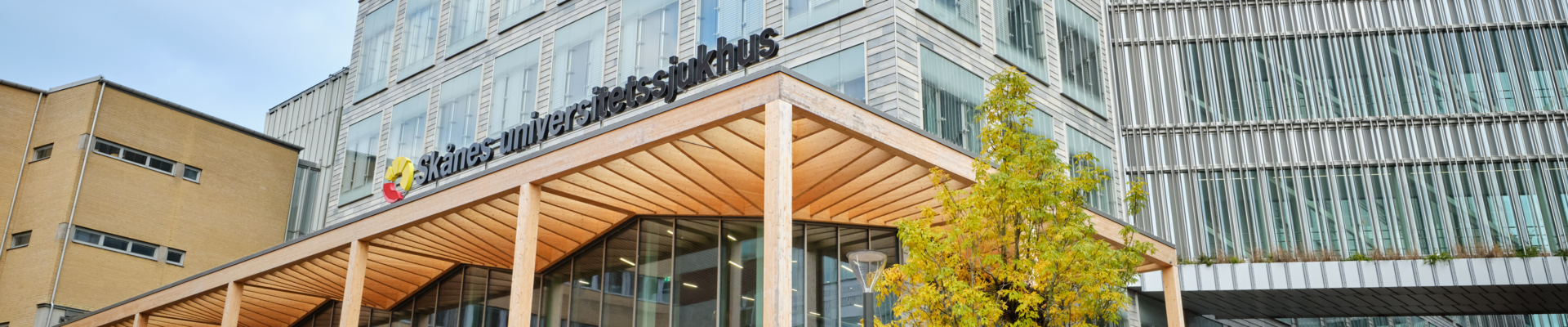
New healthcare buildings at Swedish University Hospital

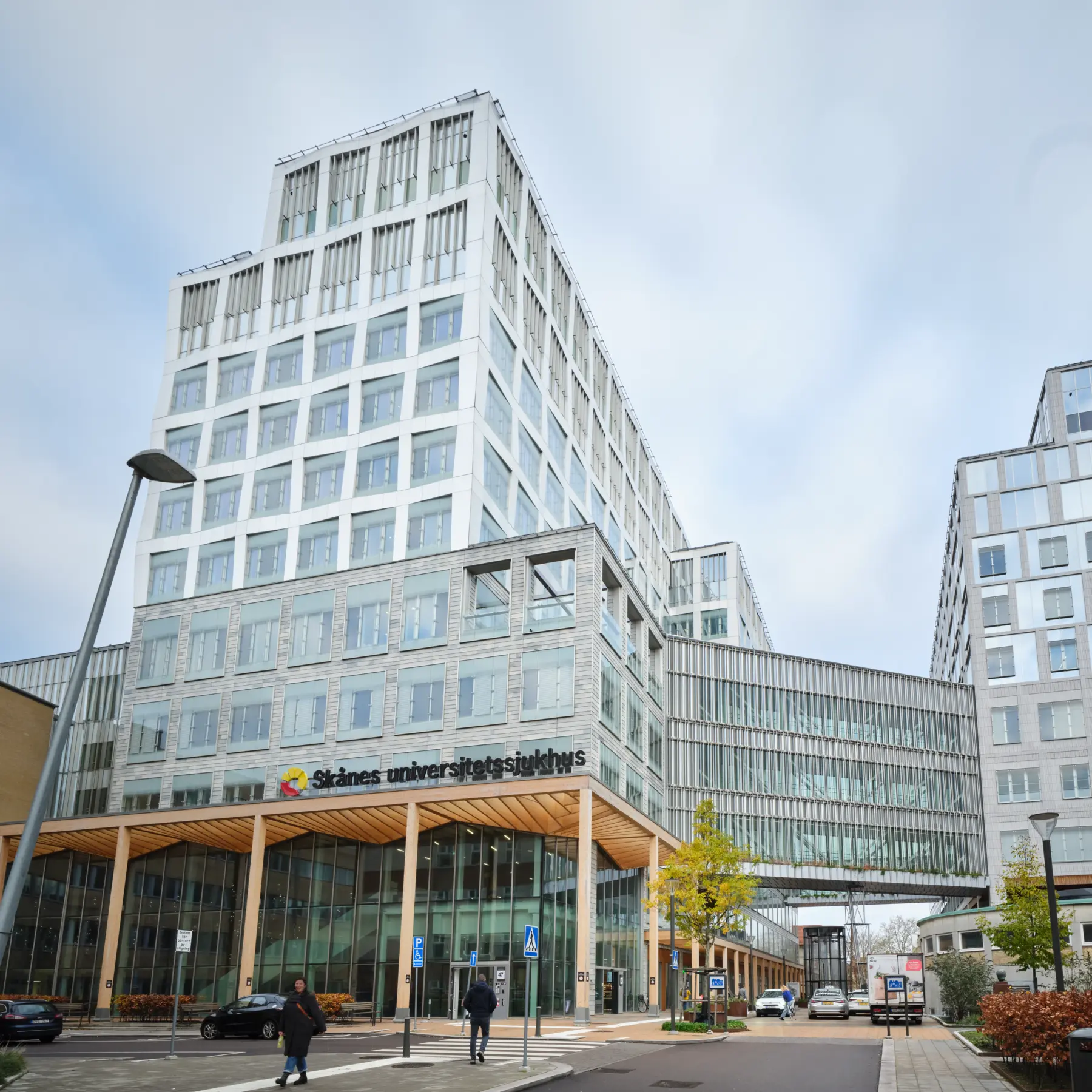
In Malmö, two new healthcare buildings have been completed at Skåne University Hospital – one of the largest and most complex construction projects in the hospital’s history.


Over 108,000 m² of modern healthcare facilities have been built in the middle of an active hospital campus, all while maintaining full clinical operations.

Construction began in 2018, and the two interconnected buildings—Building 35 and Building 36—were planned as a unified care environment. The first units moved in during spring 2024, with full occupancy expected in autumn 2025.
Building a modern hospital in an active care environment

Constructing a large-scale hospital in the centre of an operating healthcare campus required precise coordination.

Around 50 care units were relocated in phases, supported by the construction of two permanent replacement buildings to ensure uninterrupted patient care.

The project benefited from Malmö’s open hospital layout, multiple access routes and flat terrain—factors that eased logistics in an otherwise complex build.

Close collaboration between clinical, operational and construction teams was essential in ensuring continuous, safe workflows for staff and patients throughout the process.

A key design principle was flexibility. At project start, it was not yet defined which specialties would eventually move in. Instead, the buildings were designed with a high degree of standardisation: adaptable treatment rooms, operating theatres and outpatient facilities prepared for future needs.

Ceiling hoists as a strategic standard

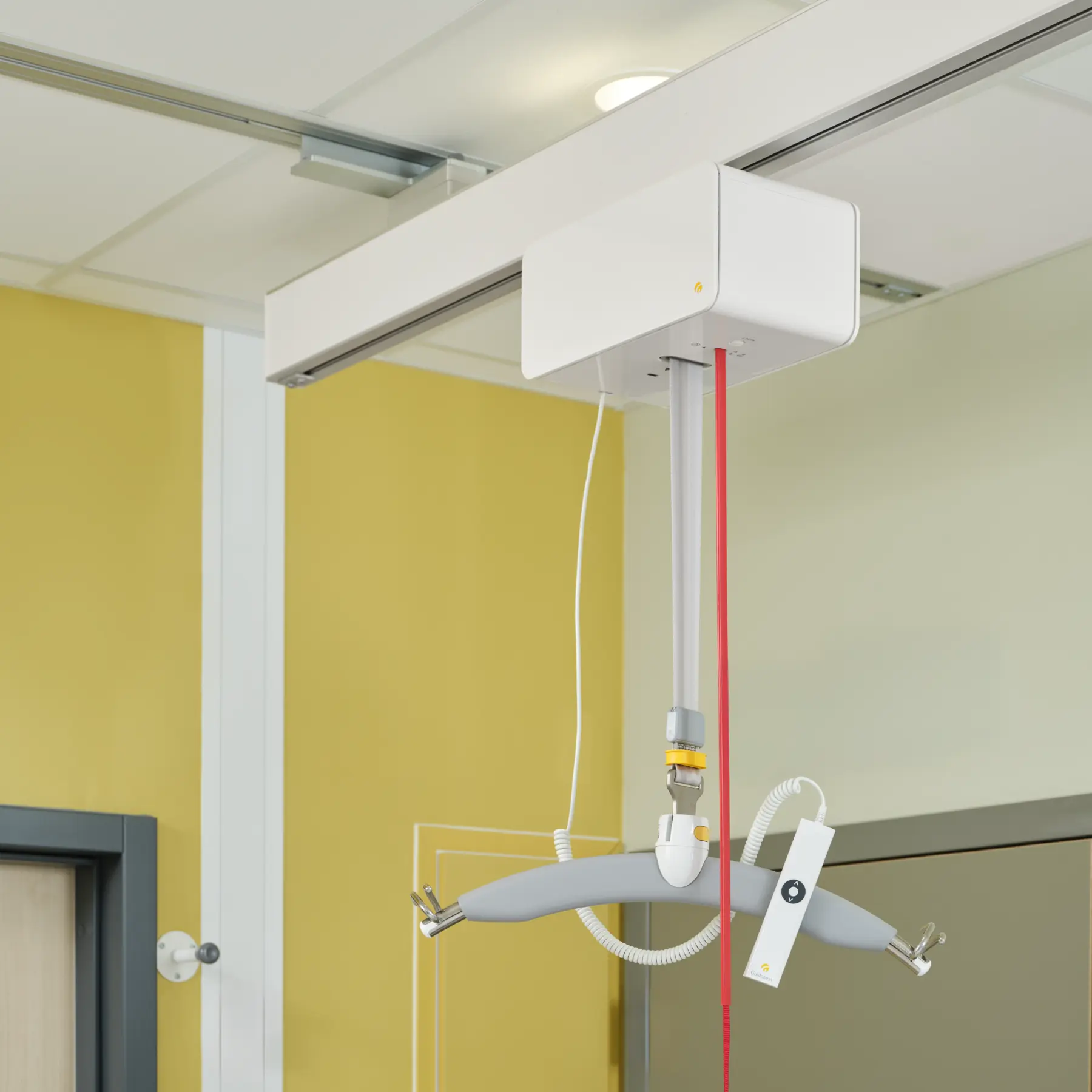
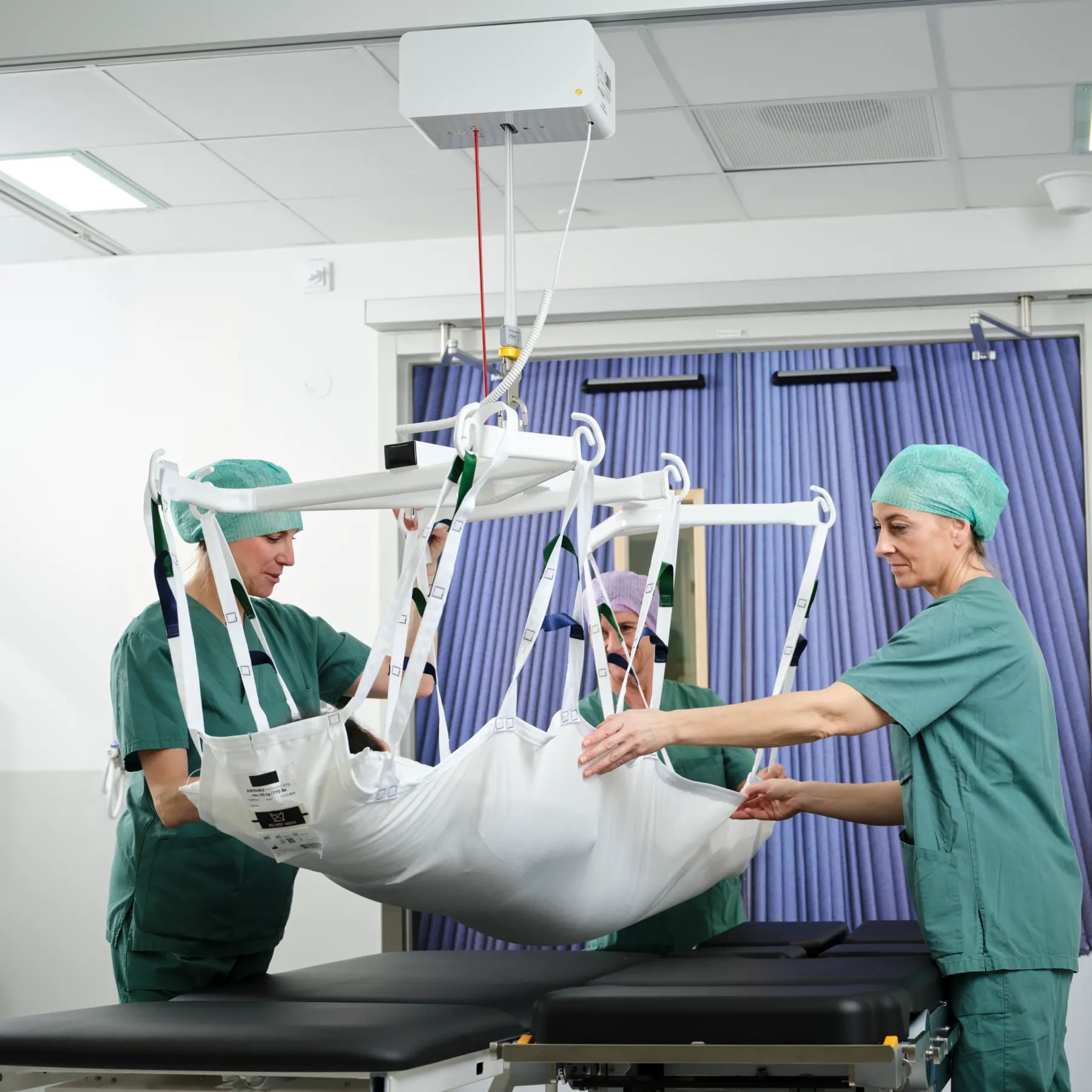
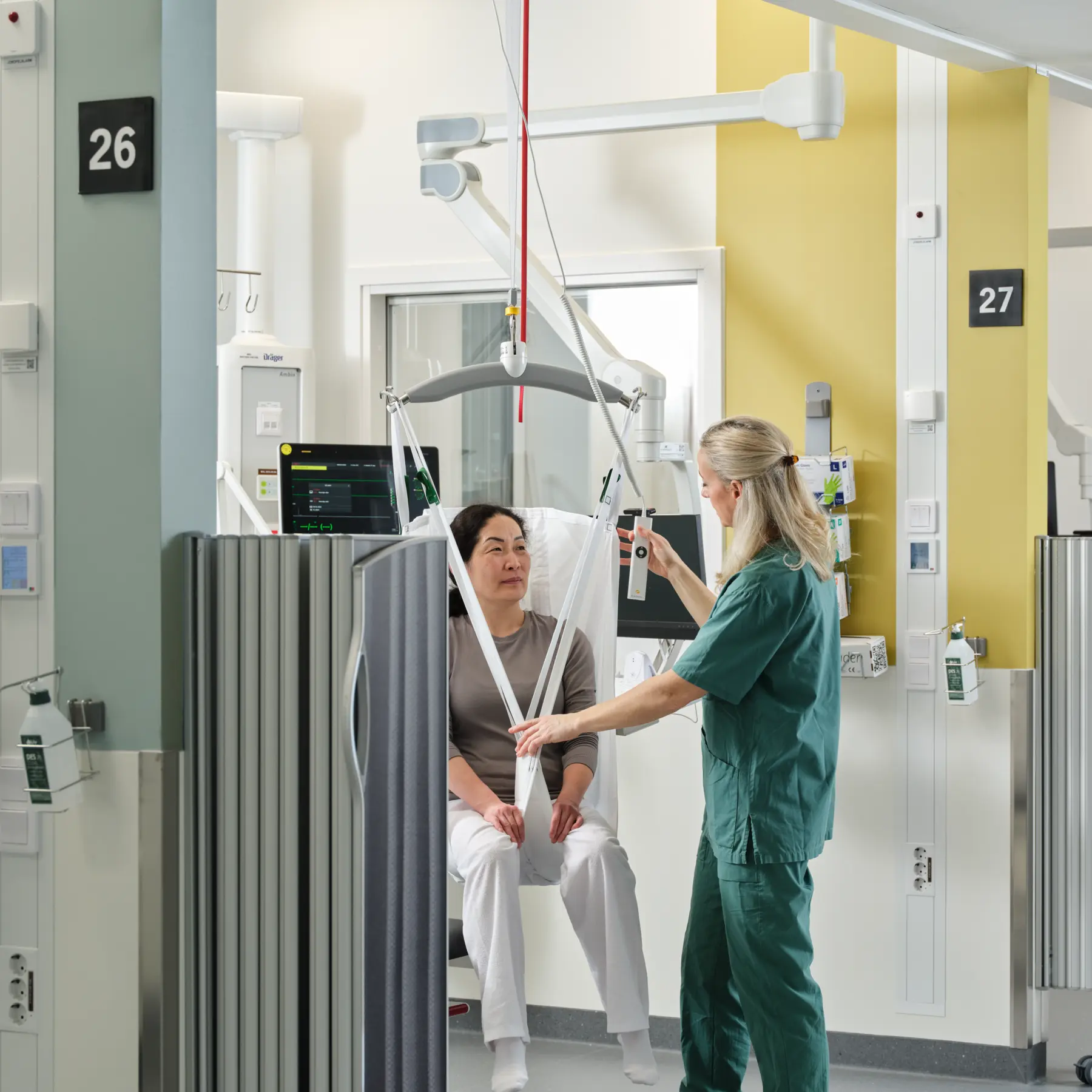
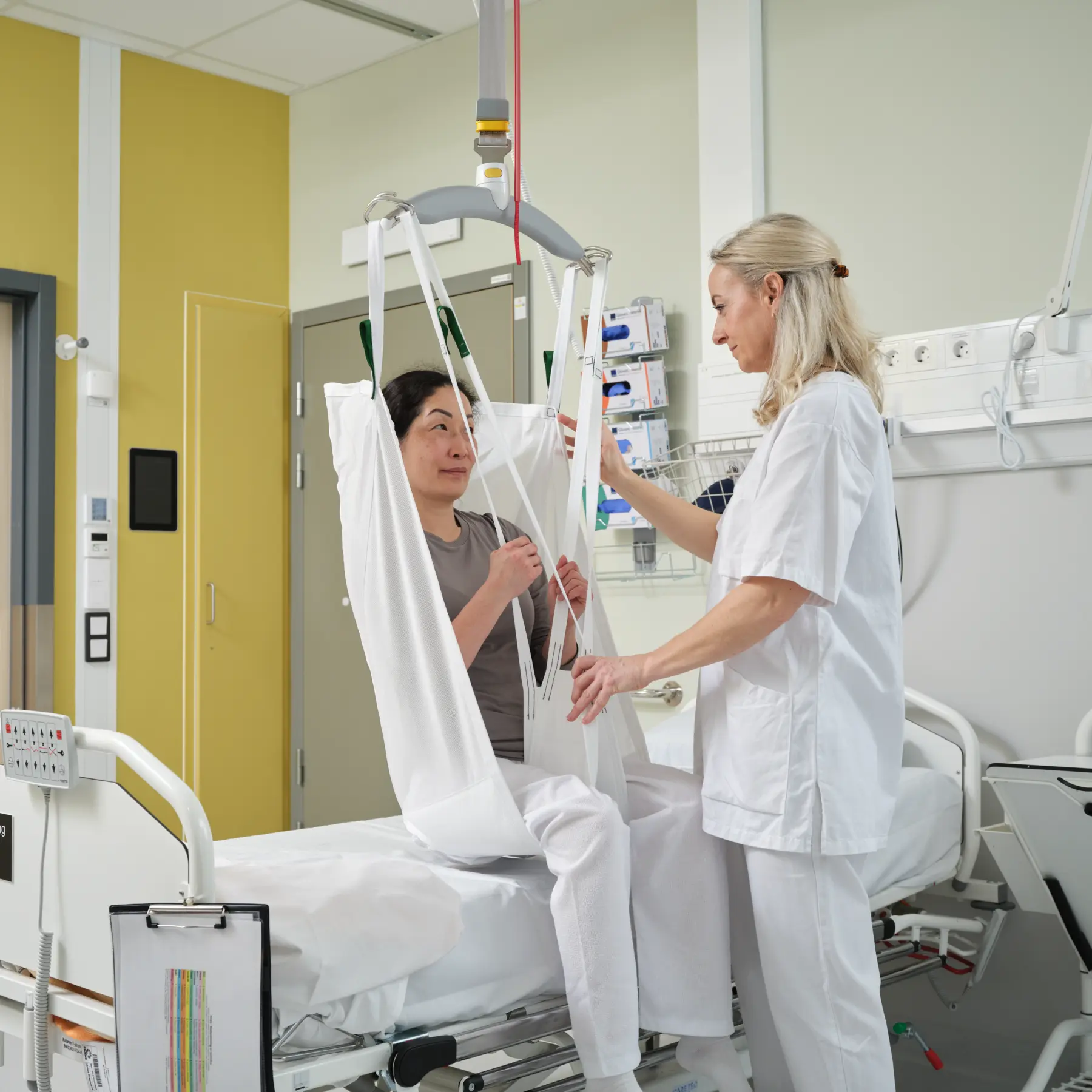
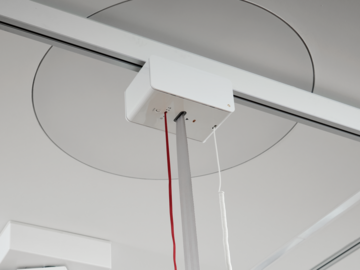
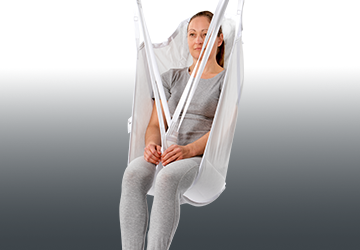
  • From the outset, the aim was to create a care environment that supports patient dignity and staff safety. Ceiling hoists were therefore selected as a standard solution in all patient rooms and installed in post-operative areas, airlocks to operating theatres and selected outpatient rooms.

  • The ambition was clear: Patients should stay in the same environment throughout their care pathway, without being moved due to equipment limitations.

    Fully equipped rooms ensure consistent, safe workflows and reduce unnecessary transfers.

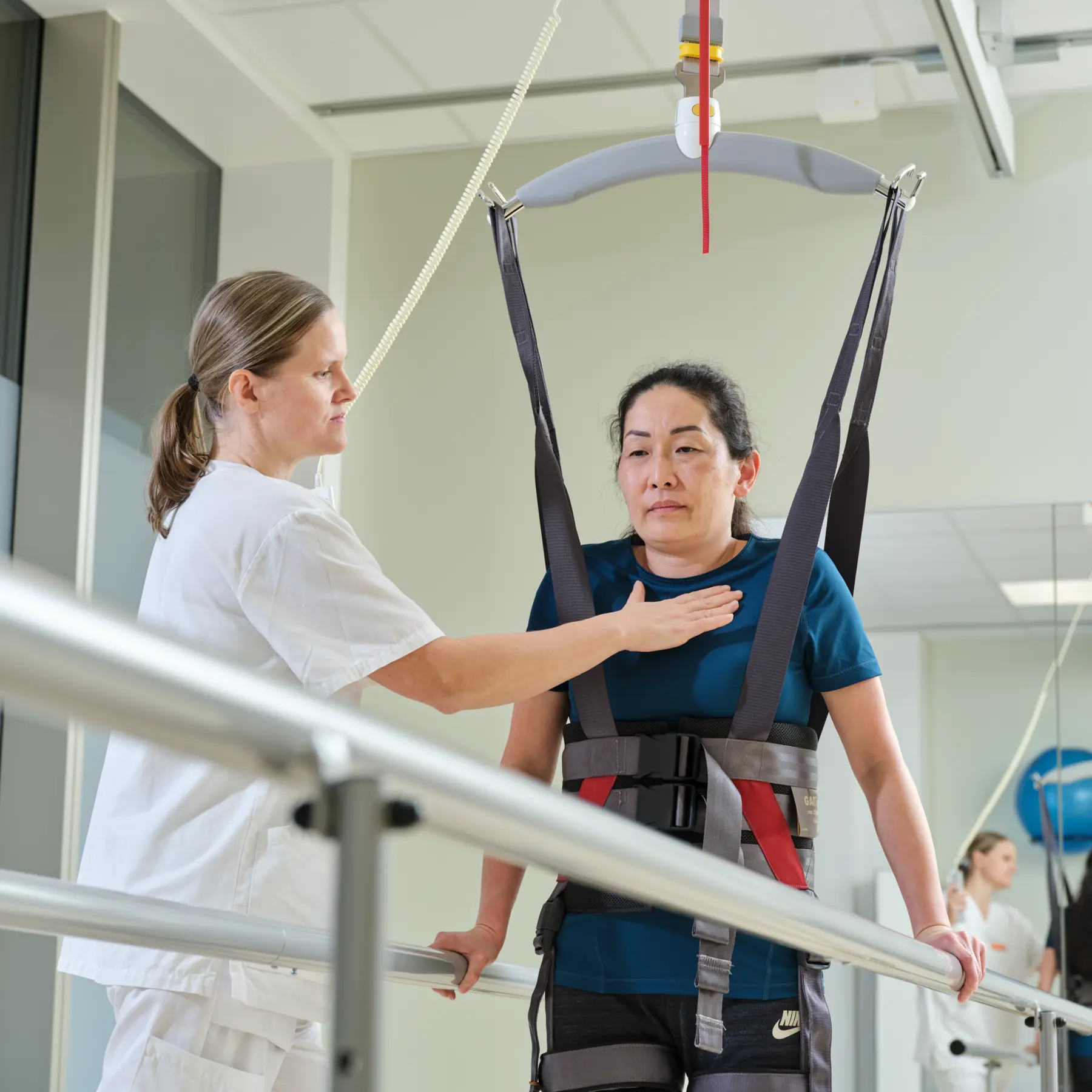
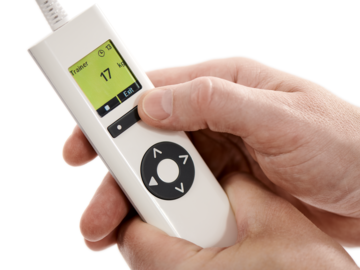
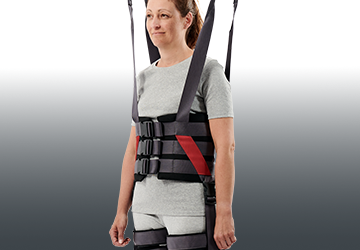
  • Several rooms were prepared for bariatric care with options for stronger or dual-motor solutions, and the orthopaedic training room was equipped with a Trainer module and position lock to support targeted mobilisation and rehabilitation.

Partnership and procurement

The ceiling hoist solutions were delivered in collaboration with Guldmann through an existing framework agreement, supporting continuity and an efficient decision-making process.

Ongoing dialogue ensured that a range of solution options was continuously presented in a transparent and non-pressuring way, allowing the focus to remain firmly on identifying actual clinical needs rather than introducing equipment without a clear purpose. This approach built strong trust in the collaboration and ensured that the selected solutions were experienced as genuinely necessary and relevant in daily clinical practice.

Throughout the project, Guldmann contributed both technical and clinical expertise, acting as an advisory partner as clinical requirements evolved over time. As needs became clearer during the course of the project, continuous guidance played a central role in translating emerging insights into practical, value-creating solutions that directly supported clinical workflows.

A standardised baseline level was implemented across the buildings, with the flexibility for departments to supplement the equipment as operational needs became more clearly defined.

Implementation and transition to operation

Implementation was managed through the New Hospital Malmö (NSM) programme with clear governance, defined responsibilities and tight coordination between clinical teams and technical partners.

After installation, staff training, accessory configuration and storage planning were carried out systematically.

All equipment was delivered in ward-specific starter kits, ensuring a smooth and structured transition into daily clinical use.

Follow-up and continuous evaluation

The project has delivered on its objectives regarding collaboration, functionality and operational readiness. A formal evaluation will be conducted approximately one year after full occupancy to assess how the ceiling hoist installations are used in practice and to validate the long-term strategic choices.

Ongoing monitoring of both clinical workflows and external developments will remain central to ensuring the buildings continue to meet evolving needs.

The new buildings at Skåne University Hospital represent a strategic move toward flexible, future-proof hospital design.

With standardised infrastructure, adaptable solutions and a strong focus on the working environment, the facilities support safe, efficient care - today and in the years to come.

  • Capacity and clinical scope:

    • 10 inpatient wards with 24 single-bed rooms each (one with intermediate care)
    • 23 operating theatres
    • 46 post-operative beds
    • Intensive care unit with 14 beds for adults and children
    • Six outpatient clinics
    • Preparation and aftercare units
    • Testing facilities

    370 Guldmann ceiling hoist systems installed throughout the facility

    - providing complete coverage and enables flexible and efficient work across the entire work surface.

    The buildings support a full range of hospital-based care, from diagnostics and consultations to surgery, intensive care and inpatient treatment.