The Children's Trust:
Will's Story

Rehabilitation After Diffuse Brain Injury

In July 2024, nine-year-old Will was involved in a serious road traffic accident, resulting in a diffuse brain injury to the right fronto-parietal region. The injury significantly impacted his cognitive abilities, motor coordination, and physical strength.

After initial hospital care and assessment in September 2024, Will was referred to The Children’s Trust, where he began his specialist neurorehabilitation in January 2025.

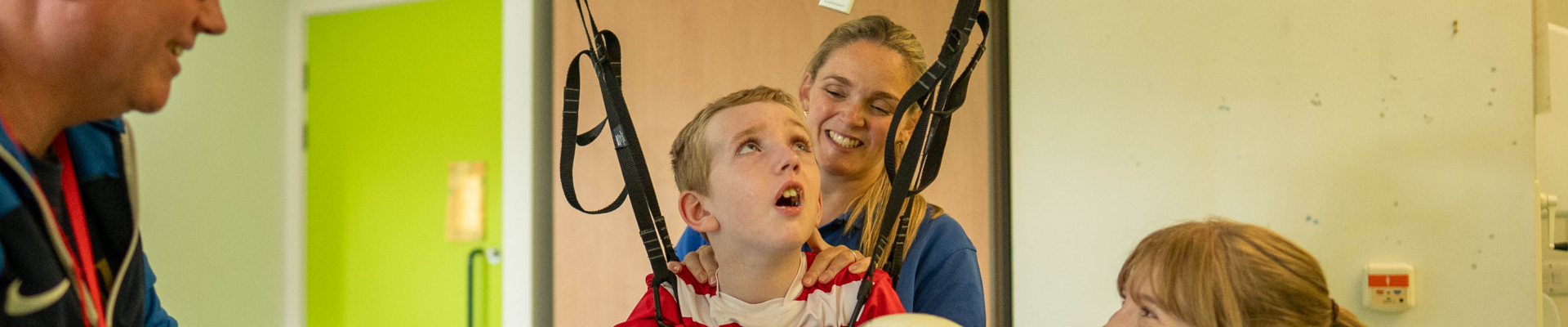
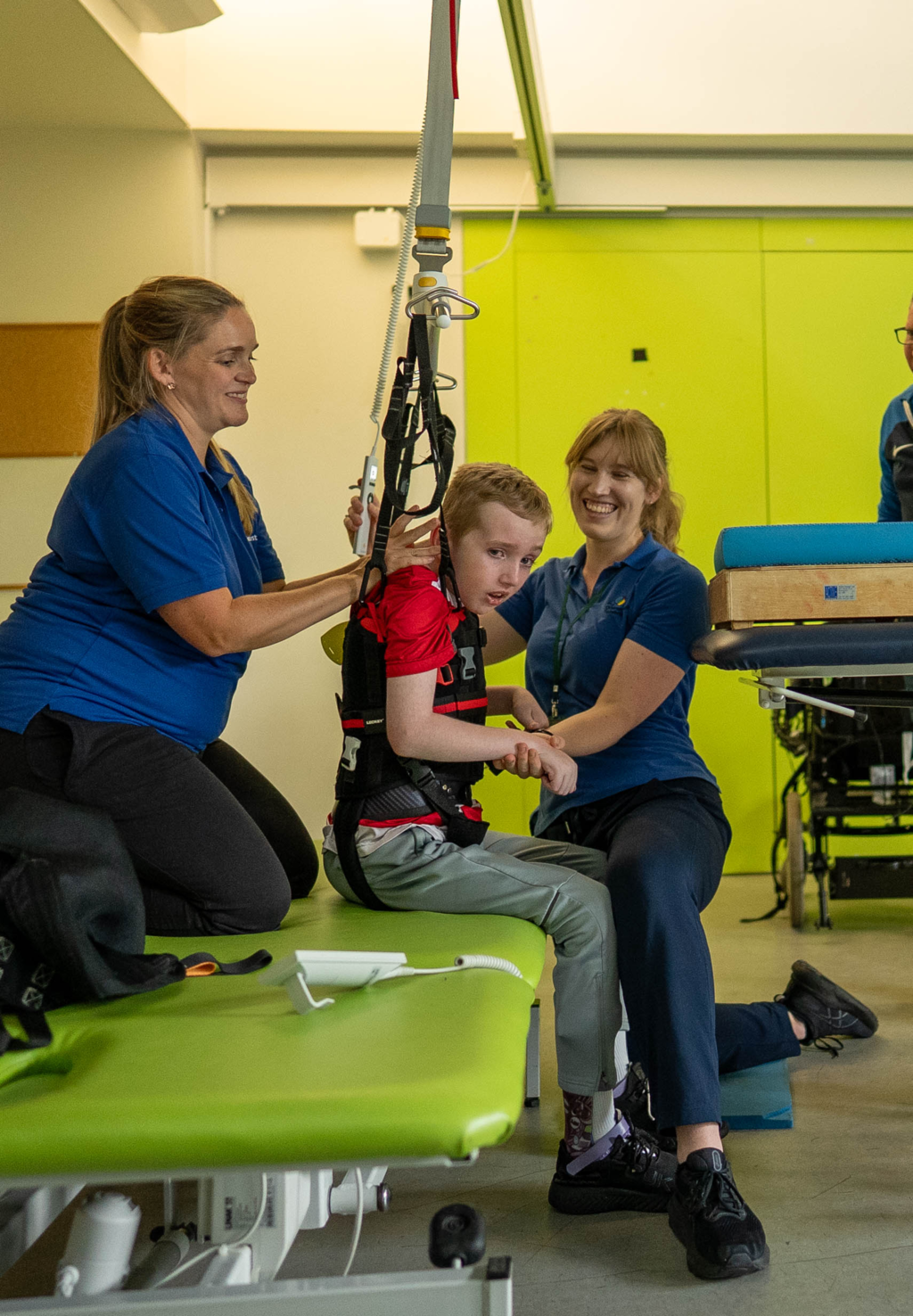
Will's treatment has been carefully structured to support his rehabilitation. He currently uses the GH3+ ceiling hoist to assist with sit-to-stand movements, enabling him to safely participate in therapy sessions. His program includes ball-rolling exercises to improve coordination and targeted activities to strengthen his neck and upper body, helping him regain the ability to hold his head up independently.

His progress has been steady and encouraging. Will’s parents remain deeply involved in his care and want him to continue his rehabilitation at The Children’s Trust until all necessary home adaptations are complete. These adaptations are highly technical and designed to meet Will’s evolving needs, ensuring a safe and supportive environment when he returns home.
The Children's Trust

The Children’s Trust is the UK’s leading charity for children with brain injuries and neuro disabilities, providing expert rehabilitation, education, and care. Its facilities are designed to meet the complex needs of young people undergoing intensive therapy, and recent investments in assistive technology are already making a measurable impact.

The installation of four GH3+ ceiling hoists with Trainer Modules was a transformative addition to the trust. These include a room covering system with GH3+, a Trainer Module, and positioning lock in their training room, as well as a straight rail system along a long corridor, specifically designed to support gait training. The remaining two hoists are in the lounge areas to improve accessibility and comfort during everyday activities. This allows the children to engage in rehabilitation in a safe, supported, and dynamic environment.