Excellence in Nursing Care and Career Longevity

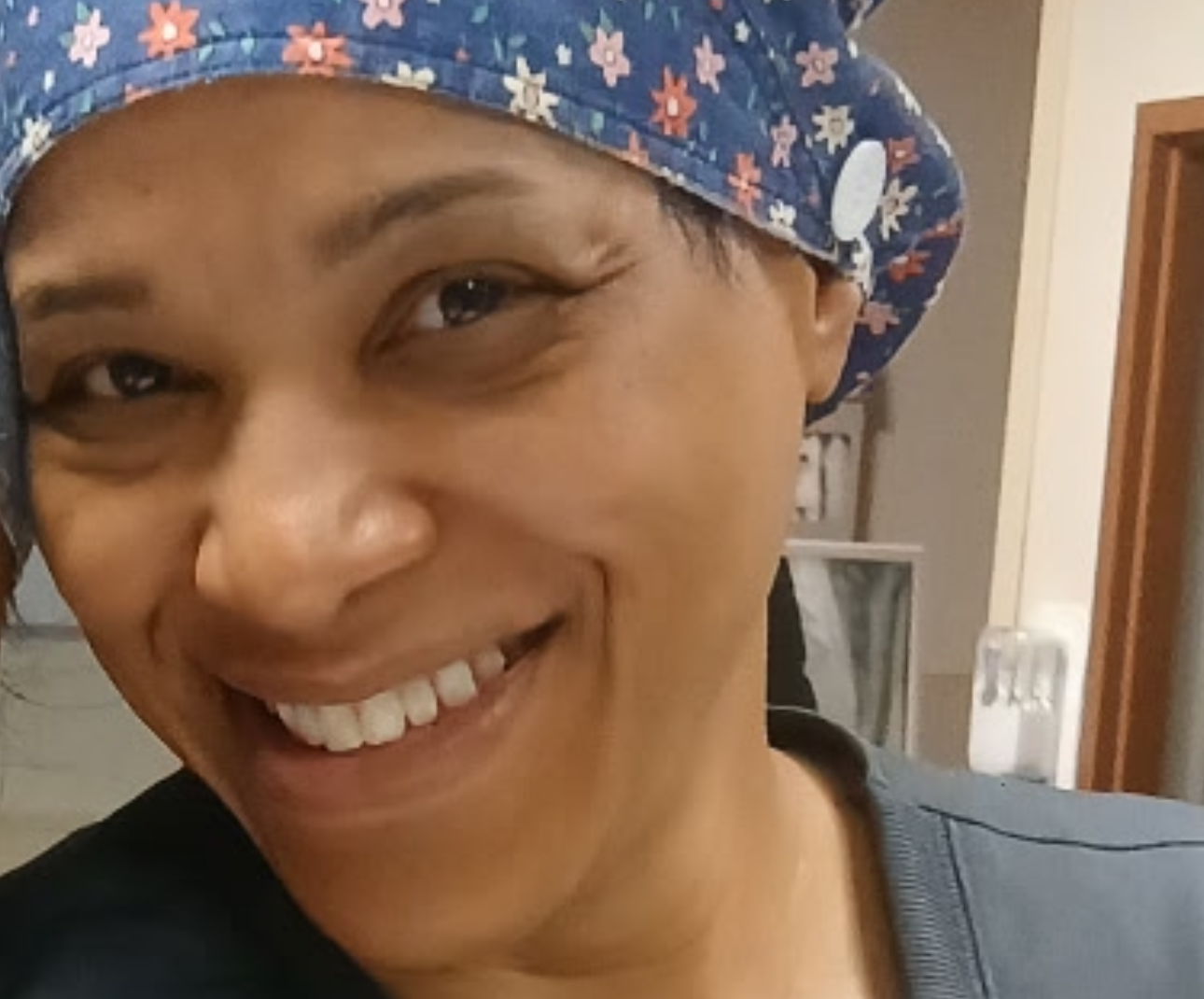
Regina Davis, a 54 year old Certified Nursing Assistant, has been providing dedicated nursing care for 30 years in hospitals and other care settings in the Houston, Texas area.

Such physically taxing work had taken its toll on Regina, who in the past had torn ligaments and muscles in her back, making it difficult for her to work and even walk. 

For the last six years, however, Regina has been working at the Houston VA Medical Center, which is how we met Regina (Houston VA Medical Center has had Guldmann lifts and slings for two decades) and she has been on a path of physical recovery as well as a new chapter in her career. 
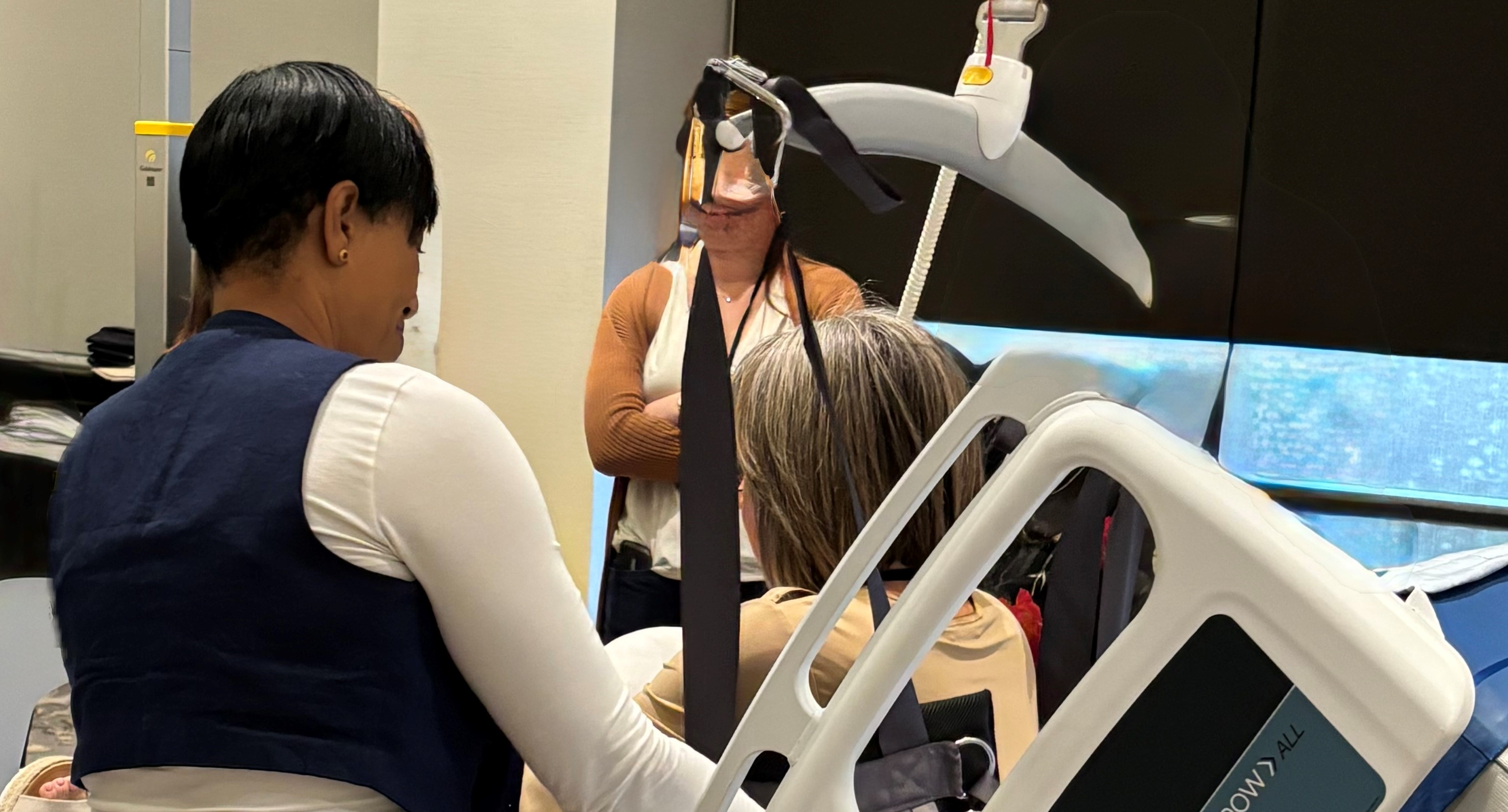
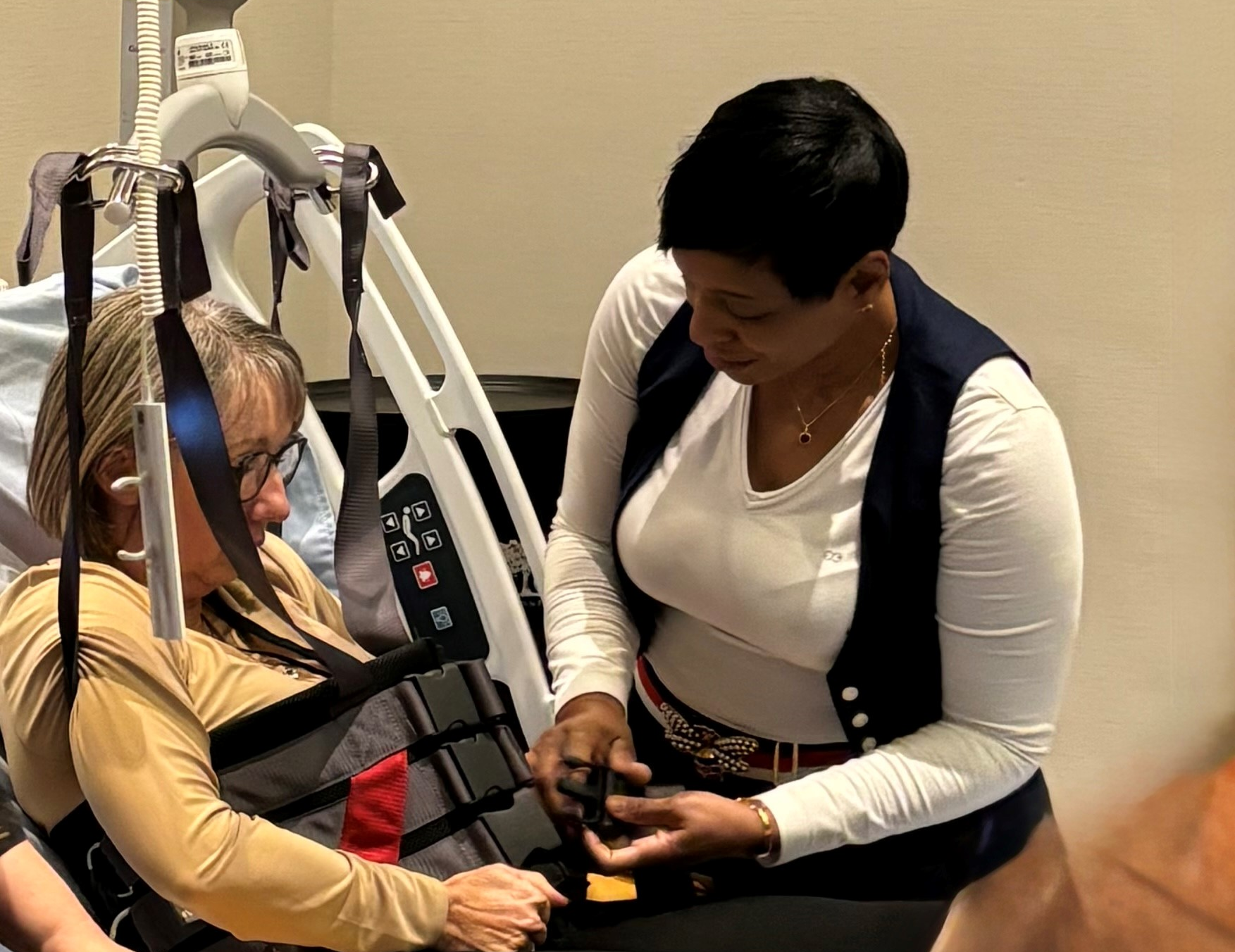
Regina teaches her fellow staff how to work more safely for themselves and work more efficiently using the Guldmann lift equipment, which she has access to in all patient rooms, clinics, and ancillary areas.

Though she has a regular Nursing Assistant assignment on the spinal cord injury unit, Regina is contacted by her peers throughout the hospital to assist them in learning how to use the Guldmann lifts and slings with their patient care.

She serves on the medical center’s Safe Patient Handling and Mobility (SPHM) Committee and assists in orienting new staff upon hire, as well as providing a monthly education session. 

Let’s hear from Regina directly...

Her replies are reflected in the ‘A’ answers to posed questions:

Q. What departments and patient populations do you work with? 
A. “I take care of all types of patients – in acute care departments, ICU, spinal cord injury, rehab, bariatrics, long-term care, outpatient clinics.”

Q. What nursing care interventions are you using the lift and slings for? 
A. “Everything – turning, change the bed linen,  hygiene, toileting, wound care, bowel program,  sit up at edge of bed, transfers, standing, walking, fall recovery,  lift feet back up to bed, getting accurate patient weights, really anything” 

Q. How does using the lift and slings affect your work? 
A. “When you use the lift and slings correctly, you hardly ever need a second person. Because of my experience I can take care of any patient of any size on my own. 

It helps me with time in my day, my work is more efficient, for example, something that used to take me an hour to do, I can get done in a half hour. The lift is easy to use and always ready in the room where I need it. There is also less wear and tear on my body when I do my work with the lift.”

Q. What do you like best about using the lift and slings? 
A.” I can work without harm. It is safe for myself and for my patient. It makes my lifespan better and using it allows for more mobility and therapy time for the patients, especially the spine patients.”

Q. How does using the lift and slings assist the patient?
A. “The lift and slings are secure and comfortable for the patient. Because they are safe, they are not scared and their confidence grows. I also notice that patients have their control and power back when they’re more satisfied”

Q. When you are teaching your peers – what do you focus on? 
A. “I first ask their permission – ‘may I show you?’ – and then I emphasize how they can work and be pain free and that they can be working in an easier way with the lifts and slings.

I like to cook for my peers and bring them spaghetti from scratch to make it more fun” 

Q. What effect have you seen from your teaching and influence on your peers?
A. “I would estimate that I have seen more than 50% of the peers I’ve worked with have changed their work habits and regularly use the lift and slings. I know that we can prevent many of the injuries and problems if people would use the equipment.” 

Q. Think about your career over the years, how has using the lift and sling these past 6 years affected your nursing career? 
A.  “Using the lift and slings have added years to my life because my back used to hurt all the time. I have been able to heal and routinely exercise, I run 6-8 miles per day before I go to work.

The word I think of is ‘vital’ – I couldn’t imagine being without the lift, because I couldn’t and wouldn’t be able to or even want to work without it.” 

Q. Is there anything new to share or that you’ve discovered recently? 
A. “I have started to use the standing harness with my patients who can stand and transfer even though their balance and strength need work. I also use it with them in a sitting position;  they can reach and use their arms but be safe without fear of falling or losing their balance.  I notice I really earn the patient’s confidence when they work with the harness sling.”

Q. Any last thoughts, Regina? 
A.  “We work as a team here at the medical center, and the SPHM Manager is a great leader and incredibly supportive of me and all the other peer leaders and our efforts. I just think that the Guldmann company is the most wonderful ever, from all the good I see the products can do. Both patients and their families are better as a result, and the patients are leaving the medical center in better shape” 

Thank you to Regina and her team

- making a huge effort for the veteran patients and their families.

It is important to be a role model, inspiring and educating peers to use the available safety technology so they can provide the best service to patients, while also taking care of themselves and their own physical health.

We call it ‘Time to Care’.